Vasan Medicals
In the quest for flawless skin, many individuals find themselves torn between laser treatments and IPL (Intense Pulsed Light) therapy. This brings us to the pressing question: laser vs IPL which is better? Both options offer unique benefits but also present challenges that require careful consideration.
Laser treatments deliver precise, targeted energy to the skin. They can effectively treat specific skin concerns, such as acne scars or pigmentation. However, they can be costly and may require downtime for recovery. On the other hand, IPL treatments encompass a broader spectrum of light, making them versatile for various skin issues. They tend to involve fewer side effects but may not provide the same level of precision.
Choosing between these two options is not simply about effectiveness. It is also about understanding personal skin types, concerns, and goals. Engaging with a qualified dermatologist can offer valuable insights. Their expertise helps navigate the intricate details of each option. Ultimately, making an informed decision requires weighing both the strengths and limitations of laser and IPL treatments.
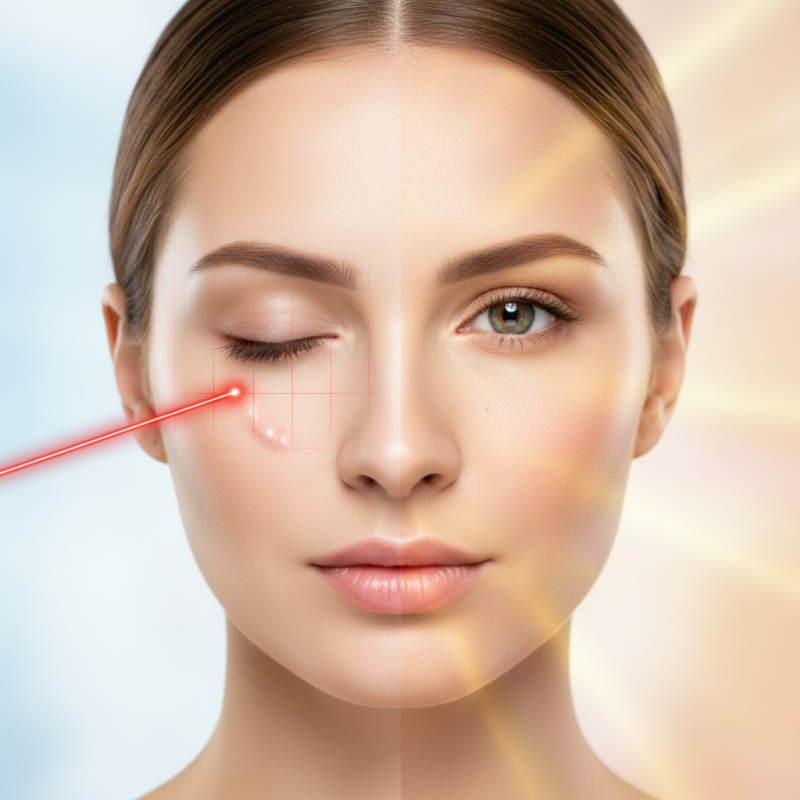
Laser treatments have become increasingly popular in skincare. Understanding the different types and benefits can help you choose the best option. Laser therapy targets specific skin issues, like pigmentation, scars, and wrinkles. The results can be dramatic, making skin smoother and youthful.
Enjoying the benefits of laser treatments requires proper care and consideration. Always consult a certified professional who understands your skin type and concerns. Remember, not all lasers are the same. Some might work for certain conditions but not for others, leading to disappointment or inadequate results.
Tips: Stay hydrated after treatment to aid recovery. Protect your skin from the sun to enhance results. Consider a patch test before full treatment to see how your skin reacts. Evaluating these aspects can lead to a more successful outcome and a better understanding of your skin's unique needs.
Intense Pulsed Light (IPL) therapy has gained popularity for addressing various skin concerns. It works by delivering high-intensity light to the skin. This light is absorbed by pigment cells or blood vessels, leading to targeted treatment of issues like hyperpigmentation, acne scars, and vascular lesions. According to a study published in the "Journal of Dermatological Science," 80% of participants reported significant improvement after regular IPL sessions.
One study revealed that IPL could reduce redness by up to 90%, making it effective for conditions like rosacea. Additionally, it stimulates collagen production, promoting skin rejuvenation. A clinical review indicates a 60% reduction in fine lines after a series of treatments. However, results can vary widely. Not all skin types respond the same way to IPL, and some may experience side effects like temporary redness or swelling. It is crucial to consult a qualified professional to assess individual needs and risks.
Despite its benefits, IPL is not without its challenges. Skin tone and color can affect treatment outcomes. Darker skin types may face a higher risk of complications. This means careful evaluation is necessary. It highlights the importance of personalized treatment plans. Therefore, while IPL offers promising results, its effectiveness depends on various factors. A thorough understanding of one's skin type and concerns is essential for optimal outcomes.
When it comes to addressing specific skin concerns, both laser therapy and IPL (Intense Pulsed Light) present effective options. Laser treatments target specific skin issues with precision. For instance, they excel in reducing dark spots and correcting uneven skin tone. The single focused wavelength allows deeper penetration. This means targeted results for pigmented lesions.
In contrast, IPL spreads light over a broader area. It is well-suited for treating redness and vascular lesions, like broken capillaries. IPL can rejuvenate skin tone, giving users a brighter complexion. However, the results may vary due to individual skin types. Some may need multiple sessions to achieve desired results.
Tips: Always consult a qualified dermatologist before choosing a treatment. They can assess your skin type and recommend the best option. Do a patch test first. Skin reactions can vary. Staying hydrated before and after treatments aids in recovery. Remember, patience is crucial. Results may take time, and over-treatment can cause irritation.
| Skin Concern | Laser Treatment | IPL Treatment | Effectiveness |
|---|---|---|---|
| Hair Removal | Highly effective, long-lasting results | Good results, may require more sessions | Laser is generally more effective |
| Acne Scars | Effective at reducing visibility of scars | Can help with redness, less effective on deep scars | Laser is typically preferred |
| Skin Rejuvenation | Excellent for tightening and smoothing | Good for improving skin texture but less effective than laser | Laser technology leads to more dramatic results |
| Pigmentation Issues | Very effective for dark spots and melasma | Can reduce pigmentation but may need several treatments | Laser is typically more effective |
| Vascular Lesions | Highly effective for treating veins | Moderate effectiveness | Laser is generally superior |
When considering between laser and IPL treatments, understanding your skin type is crucial. Laser treatments tend to target specific conditions like scars or pigmentation. They penetrate deeply, often providing long-lasting results. However, they may cause discomfort and require longer recovery times. In contrast, IPL treatments are gentler and can cover larger areas. They use broad-spectrum light, making them versatile for various skin concerns.
Tips: Always consult a certified dermatologist. They can assess your skin’s condition and recommend the best treatment. Be aware that skin sensitivity varies. What works well for one person may not work for you. Consider your pain tolerance as well. While some tolerate lasers well, others may find them uncomfortable.
Another key factor is your skincare goals. If you aim for dramatic results quickly, lasers might be advantageous. Conversely, if you prefer gradual improvement, IPL could be better. Analyze your lifestyle, too. Some treatments require downtime, so your schedule matters. Reflect on what you value more: immediate results or minimal disruption. Always keep your health and skin safety in mind when making decisions.
When considering skin treatments, both laser and IPL (Intense Pulsed Light) have gained popularity. Understanding their safety and side effects is crucial. Laser treatments target specific skin issues with precision. They can reduce wrinkles, scars, and pigmentation. However, side effects may include redness, swelling, or temporary discomfort. Recovery time can vary, ranging from a few days to weeks.
IPL, on the other hand, provides a broader spectrum of light. This method is effective for skin tone unevenness and sun damage. Although it typically involves less downtime, some users report mild irritation or discoloration. Consulting with a professional is essential for a tailored approach and to minimize risks.
Tips for a safe experience: Always ask about the practitioner's qualifications. Research their experience with the specific method you're considering. It's important to have realistic expectations. Not every skin type responds the same way to treatments. Discuss potential side effects openly. Monitoring reaction post-treatment can help in managing any adverse effects. Each individual's skin journey requires reflection and care.
: Laser treatments can target specific skin issues like pigmentation, scars, and wrinkles, resulting in smoother, youthful skin.
Stay hydrated and consider a patch test to ensure your skin reacts well to the treatment.
Laser therapy offers precise targeting for specific issues, while IPL covers larger areas for varied skin concerns.
Yes, some individuals may experience discomfort or inadequate results if the treatment isn’t suited to their skin type.
Results vary among individuals. Some may require multiple sessions for desired outcomes, especially with IPL.
Yes, consulting a qualified dermatologist is essential for assessing your skin type and treatment options.
Yes, skin sensitivity and individual conditions can greatly influence how effective a treatment will be.
If you are sensitive to pain, discuss your concerns with the dermatologist to find the best treatment for you.
Protect your skin from the sun and continue to hydrate to enhance recovery and results.
It might. Reflect on whether you prioritize quick results or a gradual improvement for your skincare journey.
In the discussion of "laser vs IPL which is better" for skin care, it's crucial to understand the different types of laser treatments and the benefits they offer for various skin concerns. Lasers target specific issues like scars, wrinkles, and pigmentation, while Intense Pulsed Light (IPL) treatments provide a broader approach for redness, sun damage, and overall skin tone improvement.
When comparing their effectiveness, lasers tend to be more precise in treating targeted concerns, whereas IPL can be used for a wider range of skin issues with fewer sessions needed. However, several factors, including skin type, desired outcomes, and potential side effects, should be taken into account when choosing between these two options. Understanding the safety profiles and expected side effects of both treatments is also key to making an informed decision.
