Vasan Medicals
Dark spots can linger after a summer outdoors, a breakout, or years of gradual sun exposure. But similar-looking marks may have different causes, including sun spots, melasma, or post-inflammatory pigmentation. That matters. The right treatment depends on what the spot is, your skin tone, and how easily your skin becomes irritated or discolored.
So, can laser remove dark spots? In many cases, targeted laser treatments can lighten certain pigment spots by breaking up excess pigment. Results vary, and a laser does not erase every mark. Some types of pigmentation, especially melasma, can return or worsen after heat-based treatment. People with darker skin tones may also face a higher risk of unwanted light or dark patches. A careful diagnosis comes before a device choice.
This 2026 guide explores laser options, including pigment-targeting treatments, and compares them with alternatives such as prescription creams and chemical peels. It also covers expected sessions, downtime, costs, and possible side effects. A dermatologist may examine the area closely, ask about medications and past treatments, and recommend a small test spot. It can feel frustrating to hear that treatment takes patience. Still, a realistic plan matters more than a dramatic promise. Daily broad-spectrum sunscreen helps protect results, while new or changing spots deserve medical assessment rather than guesswork.
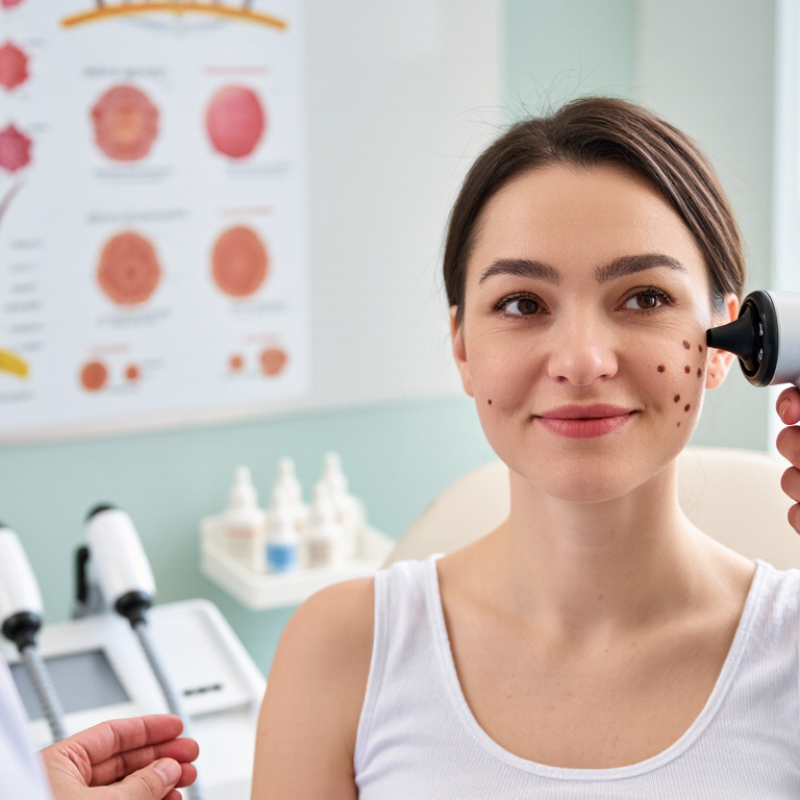
Laser treatments can lighten some dark spots, but they do not work equally well for every cause of pigmentation. Sun spots and freckles often respond better than melasma, which can return or become darker after heat or light exposure. A brown mark may also be post-inflammatory pigmentation from acne or irritation. The cause matters. A dermatologist can examine the spot and review your skin tone, medical history, and previous treatments before recommending a laser.
Different laser settings target pigment at different depths. Treatment may feel like quick pinpricks, followed by redness or temporary darkening before pigmented skin flakes away. Several sessions may be needed, and results vary. On darker skin tones, some lasers carry a higher risk of burns or new dark patches. That risk deserves an honest discussion, not a rushed promise. Suspicious, changing, or irregular spots should be medically assessed before cosmetic treatment.
Aftercare affects the outcome. Use broad-spectrum sunscreen, avoid tanning, and follow the clinician’s instructions while skin heals. Picking at flakes can cause scars or lingering discoloration. Even with careful treatment, spots may return, especially with ongoing sun exposure. Laser can help, but it is not a permanent shield.
Laser treatment does not simply erase a dark spot. It delivers selected wavelengths of light that are absorbed by pigment in the skin. The pigment heats and breaks into smaller particles, which the body gradually clears. Different devices reach different depths, so the right choice depends on the mark’s cause and location. That distinction matters.
Sun spots and freckles may respond differently from melasma, which can worsen with heat or return after treatment. It is tempting to treat every brown mark alike; that is where plans can go wrong. A dermatologist should examine the area and consider skin tone, medical history, and recent sun exposure before recommending treatment. In darker skin, some lasers carry a greater risk of temporary darkening or lightening. Settings and timing need care.
After a session, redness or mild swelling can occur, and treated spots may darken before they fade. Results are gradual, not guaranteed. Strict sun protection helps limit irritation and new pigmentation while skin heals. A consultation should include realistic expectations, possible side effects, and whether another approach may be safer. Sometimes, waiting is wiser.
Dark-spot devices are not interchangeable in 2026. Q-switched and picosecond lasers deliver brief pulses that target pigment in selected sun spots and freckles. A dermatologist may choose different wavelengths for different skin tones and pigment depths. Results vary, and temporary redness or darker marks can occur.
Fractional non-ablative lasers create tiny columns of heat while leaving surrounding skin intact. They may help with uneven tone and texture, but often require several sessions. Intense pulsed light, or IPL, is not a laser; it uses broad-spectrum light to treat some sun-related discoloration. It can also trigger unwanted pigmentation, particularly in darker skin or melasma-prone skin. A test spot matters.
The International Society of Aesthetic Plastic Surgery’s 2023 Global Survey counted about 19.1 million non-surgical aesthetic procedures worldwide. That figure covers many treatments, not laser spot removal alone, so it signals demand rather than proven results. The American Academy of Dermatology cautions that heat and light treatments may worsen melasma in some patients. The awkward part: a flat brown mark can resemble a condition that needs medical assessment, not cosmetic treatment. A clinician should examine changing or uncertain spots before choosing a device.
Laser treatment may suit people with clearly diagnosed sun spots or certain benign pigmented lesions. A dermatologist should examine the spots first, especially if one is changing, uneven, bleeding, or newly appearing. Those signs need medical assessment, not cosmetic treatment. Good candidates usually have realistic expectations and can follow sun-protection instructions before and after treatment.
Tips: Arrive with untanned skin and share your medical history, medicines, and past reactions to procedures. Ask what diagnosis is being treated, how many sessions may be needed, and what pigment changes are possible. Small details matter.
The right laser depends on the spot type and your skin tone. People with darker skin may face a higher risk of temporary or lasting light or dark marks, so device choice and settings require careful assessment. Melasma can also worsen after laser treatment in some cases. That matters. Active tanning, recent irritation, or a history of poor healing may affect timing or suitability. A consultation cannot promise perfect clearance; sometimes another approach is safer, and that can feel disappointing. Ask the clinician to explain likely benefits, risks, recovery, and alternatives before deciding.
Laser treatment can fade some dark spots, but the right approach depends on what caused them. A dermatologist should examine changing, irregular, or unexplained marks before cosmetic treatment. That matters. Different lasers target different pigment, and settings should reflect skin tone and medical history. In darker skin, excess heat can trigger post-inflammatory darkening. Melasma may also worsen after treatment.
Expect temporary redness, swelling, or a sunburn-like feeling. Tiny crusts may form and should be left alone. Blistering, infection, scarring, and lighter or darker patches are less common, but possible. Recovery can take several days or longer, depending on the treatment and your skin. It’s not always predictable. Some spots fade after one session; others need several treatments, spaced weeks apart, and may return. A clinic should explain likely benefits, risks, and aftercare before proceeding. Daily broad-spectrum sunscreen and avoiding picking at healing skin help reduce setbacks. If recovery seems unusually painful or the area becomes increasingly red, contact your clinician. A cautious plan may feel slower, but aggressive treatment can leave a more visible mark than the one you wanted removed.
Bars show approximate visible-recovery planning ranges, not guaranteed timelines or a comparison of results. Recovery depends on the treatment settings, spot type, and individual skin; redness, swelling, or temporary darkening can occur. Lasers may cause burns or post-inflammatory hyperpigmentation, particularly in darker skin tones. A qualified clinician should identify the spot before treatment and discuss alternatives, expected results, and sun protection. Several sessions may be needed, and new spots can develop.
Lasers can lighten some spots, but they may not remove them completely. Results vary.
Sun spots and freckles often respond better than melasma. The cause of each mark matters.
Yes. Heat or light exposure may worsen melasma, and it can return after treatment.
Yes. Have changing, irregular, or unexplained spots assessed by a dermatologist first. That matters.
It may feel like quick pinpricks. Redness, swelling, or a sunburn-like feeling can follow.
Some spots fade after one session; others need several treatments spaced weeks apart. It varies.
Use broad-spectrum sunscreen and avoid tanning. Leave tiny crusts and flakes alone.
Burns, infection, scarring, or lighter and darker patches are possible. Darker skin may face greater pigmentation risks with some lasers.
Not always. Sun exposure can bring spots back, so laser treatment is not a permanent shield. Fading is not the same as removal.
Can laser remove dark spots? In many cases, laser and light-based treatments can fade sunspots, age spots, and some other forms of pigmentation by directing energy toward excess melanin in the skin. The treated pigment gradually breaks down and is cleared as the skin renews itself. Options in 2026 may include pigment-targeting lasers, fractional lasers, and intense pulsed light; the best choice depends on the type and depth of discoloration, skin tone, and treatment goals.
Not everyone is a suitable candidate. A qualified skin-care professional should assess the spots and rule out conditions that need medical attention before treatment. People with certain skin tones, recent tanning, active irritation, or a history of pigment changes may need extra caution or an alternative approach. Temporary redness, swelling, sensitivity, or darker-looking spots during healing can occur, and results may take several weeks and more than one session. Careful aftercare and sun protection help support recovery and reduce the chance of new discoloration.
