Vasan Medicals
Laser treatments can reduce hair, redness, and some scars, but they are not risk-free. The question “can laser damage skin” has a clear answer: yes. Risk can rise when the energy, wavelength, or technique does not suit the person or treatment area. Common short-term effects include redness and swelling. Burns, blisters, lasting pigment changes, and scars are also possible. Recently tanned or darker skin may need carefully selected devices and settings. Small details matter. A patch test can help assess a reaction, but it cannot guarantee a safe result.
This guide introduces practical safety checks for 2026, from choosing a qualified provider to preparing for treatment and following aftercare advice. Before a session, discuss recent sun exposure, medicines that may increase light sensitivity, active skin irritation, and any history of pigment changes. Ask who will operate the device, what it is designed to treat, and how your eyes will be protected. Expect clear answers, not promises. Pause if the consultation feels rushed. Follow the clinic’s written aftercare instructions, protect treated skin from sunlight, and seek medical advice for severe pain, worsening blisters, or spreading redness. No checklist replaces an individual assessment. Even with careful preparation, questions may remain—and they are worth raising.
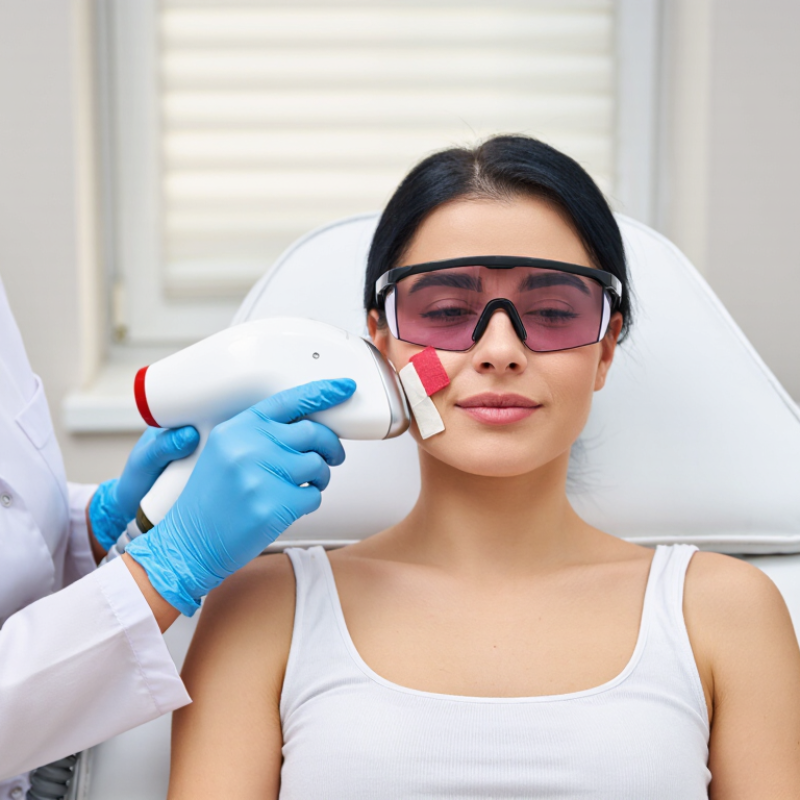
Laser energy interacts with skin according to its wavelength, pulse duration, and intensity. Different wavelengths are absorbed by different targets, called chromophores. Melanin absorbs some wavelengths, while blood pigments and water absorb others. When a target absorbs energy, it can heat up. That is the basic principle behind many laser treatments.
The goal is to affect a chosen target while limiting heat to nearby tissue. It is not always exact. Settings that are too strong, repeated pulses over one spot, or skin that has recently tanned can raise the risk of burns, blisters, lasting color changes, or scars. Skin tone, medications, and the treatment area also matter, so one setting is not suitable for everyone. A qualified clinician should assess these factors, explain likely risks, and use appropriate eye protection and cooling. A test spot may help assess the skin’s response, though it cannot guarantee a reaction-free treatment. Redness can be expected after some procedures; severe pain, blistering, or worsening symptoms warrant prompt medical advice.
This chart shows commonly used wavelength boundaries for major optical bands. Wavelength alone does not determine safety: skin effects also depend on exposure time, pulse duration, energy, beam size, and individual skin characteristics. UV exposure can cause photochemical injury, while visible and infrared laser exposure can cause heat-related injury. These ranges are not exposure limits.
Laser-related skin damage depends on several factors, not just the device’s power. Different wavelengths interact with skin in different ways, while higher energy and repeated pulses can increase heat in the tissue. Treatment duration and the size of the area also matter. Small details matter.
Skin tone can affect how much laser energy the skin absorbs, so settings may need careful adjustment. Recent tanning can change the skin’s response and raise the chance of burns or uneven pigmentation. Some medicines and skin conditions may also affect sensitivity. Share your medical history and current medications with a qualified clinician before treatment. A patch test can offer useful information, but it cannot guarantee that the full treatment will be risk-free.
The operator’s training, protective eyewear, cooling method, and equipment condition all influence safety. Ask how the settings are chosen for your skin and what signs should prompt a call. Redness or mild warmth may occur after some procedures, but severe pain, blistering, or worsening swelling deserves prompt medical attention. Even careful screening has limits; people do not always react as expected.
After laser exposure, mild redness and warmth can occur, especially during the first few hours. Skin may feel tight or slightly swollen. These effects often settle, but timing depends on the laser, treatment area, and individual skin. Watch for worsening symptoms. Blisters, open patches, intense or increasing pain, marked swelling, or redness that spreads may signal an injury. Dark or pale spots can also appear. Infection is possible if the skin becomes increasingly tender, drains pus, or you develop a fever. Don’t assume every reaction is harmless; it can be difficult to judge severity from appearance alone.
Tips: Move away from the laser source and cool the area with a clean, cool, damp cloth. Don’t place ice directly on skin or pop blisters. Avoid scrubbing, fragranced products, and exfoliating acids while the area is irritated. Protect exposed skin from sunlight with clothing, and ask a qualified health professional about suitable care. Seek prompt medical advice for severe pain, blistering, eye-area exposure, or symptoms that worsen rather than improve. Take a clear photo to track changes, but remember that a photo cannot replace an examination.
| Sign or Safety Topic | What It May Look or Feel Like | When It May Appear | Recommended Action |
|---|---|---|---|
| Temporary redness or warmth | Mild, localized redness, warmth, or slight swelling can occur after some cosmetic laser treatments. | Often soon after treatment; mild effects should generally improve rather than worsen. | Follow the treating clinician’s aftercare instructions. Contact the clinic or a healthcare professional if symptoms worsen, persist, or seem unusual. |
| Persistent pain or marked swelling | Increasing tenderness, significant swelling, or pain that is more than mild may indicate a burn or another complication. | During exposure or within the hours afterward. | Stop further exposure and seek prompt medical advice, especially if the affected area is large or symptoms are worsening. |
| Blisters, open skin, or crusting | Fluid-filled blisters, raw areas, or skin breakdown can be signs of a more serious thermal injury. | May develop within hours or over the next few days. | Arrange prompt medical assessment. Do not pop blisters or apply ice directly; protect the area from friction and follow professional advice. |
| Changes in skin color | The area may become darker or lighter than surrounding skin. Color changes can follow inflammation or a burn. | May appear in the days or weeks after exposure and can last longer. | Consult a healthcare professional if the change is pronounced, spreading, or persistent. Protect healing skin from sunlight as advised. |
| Possible infection during healing | Increasing redness, warmth, pain, pus, or fever may suggest infection, particularly if the skin is broken. | Usually develops after the initial injury, during healing. | Seek medical care promptly. Fever or rapidly worsening symptoms warrant urgent assessment. |
| Suspected eye exposure | Eye pain, blurred vision, light sensitivity, or any suspected direct laser exposure to the eye requires special attention. | Symptoms may occur immediately or after exposure. | Seek urgent medical or eye-care evaluation. Do not rely on the absence of a skin injury to rule out eye damage. |
| Before a laser procedure | Risk can vary with the laser, settings, treatment area, skin characteristics, and individual medical factors. | Before treatment or occupational exposure. | Use a qualified, trained operator; discuss relevant skin conditions, recent tanning, and medicines that may increase light sensitivity. Follow device-specific safety procedures. |
| Protective measures | Unprotected skin or eyes may be harmed by direct or reflected laser energy. | Throughout setup, treatment, and laser operation. | Use protective eyewear rated for the laser’s wavelength and operating conditions, cover non-target skin when appropriate, and follow the device instructions and workplace safety controls. |
| First aid for a suspected skin burn | Skin may be painful, red, swollen, blistered, or broken. | As soon as it is safe to do so after exposure. | Stop exposure. For a thermal burn, cool the area with cool running water; do not use ice. Seek medical advice for blisters, severe pain, a large or sensitive-area injury, or any worsening symptoms. |
Before treatment, ask who will operate the laser and how they assess your skin tone, recent tanning, medications, and healing history. FDA classifies medical lasers by hazard; Class 4 systems can burn skin and seriously injure eyes, even from reflected beams. ANSI Z136.3, the healthcare laser-safety standard, calls for wavelength-appropriate eye protection and controlled treatment areas. Ask to see protective eyewear, and check that it fits securely. Small details matter.
During use, keep your eyes covered and stay still when instructed. The operator should test settings carefully, use a cooling method when appropriate, and pause if pain feels sharp or unusually intense. A patch test may help reveal a reaction, though it cannot guarantee safety. Clean, unirritated skin is a sensible starting point; postpone treatment over a fresh sunburn or rash. Skin can feel warm afterward. That is not always harmless. Blistering, worsening pain, or changing pigmentation deserves prompt medical advice. I would not treat a hurried consultation as reassurance; sometimes the safest choice is to delay.
Stop the laser treatment and move away from the device. Skin may look red, feel unusually hot, or develop swelling, pain, or blisters. Cool the area with a clean, cool, damp cloth for 10 to 20 minutes. Do not place ice directly on the skin. Gently pat dry, and avoid rubbing or applying strong skincare products. A small mark can still deserve attention.
Tips: Take a clear photo in good light, note when symptoms began, and keep the treatment details available for a clinician. Don’t pop blisters or peel skin. Protect the area from sunlight with clothing; skip sunscreen on broken skin unless a clinician advises otherwise. Simple steps help, but they are not a diagnosis.
Contact a healthcare professional if pain or redness worsens, blisters form, or the area looks increasingly swollen. Seek urgent care for severe burns, spreading redness, pus, fever, or any laser exposure near the eyes. Eye symptoms need prompt assessment, even if they seem mild. It can be tempting to wait and see; that judgment is not always easy, so ask for medical guidance when unsure.
Mild redness, warmth, tightness, or slight swelling can occur during the first few hours. Timing varies by treatment and skin. Watch for changes.
Blisters, open patches, severe or worsening pain, marked swelling, or spreading redness need prompt medical advice. Dark or pale spots can also appear.
Move away from the laser and place a clean, cool, damp cloth on the area. Do not put ice directly on skin or pop blisters.
Avoid scrubbing, fragranced products, and exfoliating acids. Cover the area with clothing when outdoors. Ask a qualified health professional about suitable care.
Seek prompt advice for severe pain, blisters, eye-area exposure, or symptoms that worsen. Increasing tenderness, pus, or fever may indicate infection.
Ask who will operate the laser and how they assess skin tone, recent tanning, medications, and healing history. A rushed consultation would make me pause.
Ask for protective eyewear suited to the laser’s wavelength, and check that it fits securely. The treatment area should be controlled. Small details matter.
No. A patch test may reveal a reaction, but it cannot guarantee safety. Postpone treatment over a fresh sunburn or rash. A photo can track changes, but it cannot replace an examination.
Laser energy can interact with skin in different ways depending on its wavelength, intensity, exposure time, and the area being treated. So, can laser damage skin? Yes. Excessive or unsuitable exposure may cause redness, swelling, pain, burns, changes in skin color, or blistering. The risk can also vary with skin sensitivity, the type of laser, device settings, and whether the operator follows appropriate safety procedures.
To reduce risk, use laser equipment only as directed, have treatments performed by a qualified professional, and follow instructions about skin preparation and protective eyewear. During use, avoid unintended exposure and stop if unexpected discomfort occurs. After suspected skin injury, discontinue further exposure, gently protect the affected area, and seek medical advice—especially for severe pain, blistering, worsening symptoms, or injury near the eyes. Prompt professional assessment can help determine the appropriate care.
