Vasan Medicals Vasan Medicals

Can Laser Remove Dark Spots Effectively in 2026?

Time:2026-06-13 Author:Ethan
0%

In the quest for flawless skin, many individuals wonder: can laser remove dark spots effectively? Dr. Emily Johnson, a renowned dermatologist specializing in laser treatments, states, "Laser technology has advanced, but results can vary based on skin type and condition." This highlights the complexity of treating dark spots.

Laser treatments are gaining popularity as a remedy for hyperpigmentation. They offer a targeted approach, making them appealing to those seeking clearer skin. However, effectiveness depends on multiple factors. Not every patient sees the same results. Options like fractional laser therapy or Q-switched lasers have shown promise, but individual responses differ.

Understanding the limitations of laser treatments is essential. Some may experience side effects like redness or irritation. Ongoing research will define best practices for 2026 and beyond. As technology evolves, the question remains: can laser remove dark spots in an effective and safe way for everyone?
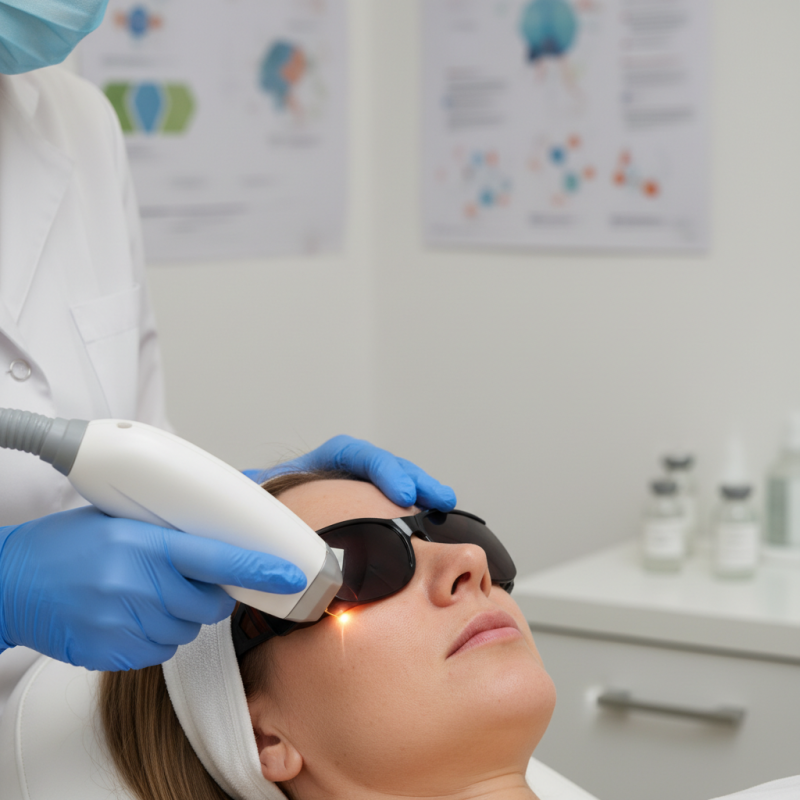
Can Laser Remove Dark Spots Effectively in 2026?

Understanding Dark Spots: Causes and Treatment Options

Dark spots, also known as hyperpigmentation, can have various causes. Sun exposure is a primary factor, as UV rays trigger melanin production. Hormonal changes can also lead to dark spots, especially during pregnancy or when using birth control. Aging contributes to uneven skin tone, making it essential to understand these underlying issues for effective treatment.

Several treatment options are available for dark spots. Topical solutions, such as hydroquinone and retinoids, can help lighten skin over time. However, results may vary. Chemical peels and microdermabrasion offer deeper exfoliation to improve skin texture. Laser therapy is gaining popularity, promising significant results. It targets melanin directly, but individual responses may differ.

Tips for preventing dark spots include daily sunscreen use and wearing protective clothing in the sun. Regularly moisturizing can help maintain skin elasticity. If treatments seem overwhelming, consider consulting a dermatologist. They can provide personalized recommendations based on your skin type and condition. Remember, patience is crucial. Not every method works for everyone, leading to some trial and error. A consistent routine is key.

Effectiveness of Laser Treatments for Dark Spots in 2026

In 2026, laser treatments continue to be a popular choice for removing dark spots. A study from the American Society for Dermatologic Surgery reported that 70% of patients saw significant improvement after just a few sessions. Different laser types target pigmentation at various skin depths, making them versatile solutions.

However, the effectiveness varies among individuals. Factors such as skin type, age, and the severity of the dark spots play crucial roles. Some patients may need multiple treatments or a combination of therapies for optimal results. Healing times and aftercare are also areas for critical reflection. Not everyone responds the same way to lasers, which can lead to disappointment if expectations are not managed.

Tips: Always consult with a qualified dermatologist before starting treatment. They can assess your specific skin condition and recommend the best approach. Consider your skin type and lifestyle when exploring options. A professional evaluation helps set realistic expectations and enhances effectivity. Proper sun protection after treatment is vital. This step can prevent new dark spots from forming and ensures lasting results.

Effectiveness of Laser Treatments for Dark Spots in 2026

This chart illustrates the effectiveness of various laser treatments for dark spots based on patient satisfaction ratings collected in 2026. The data indicates a trend in preference for certain types of laser therapies over others.

Types of Lasers Used for Dark Spot Removal

When it comes to removing dark spots, lasers have become a popular choice. Different types of lasers are effective against various skin concerns. Each laser has its own mechanism. Understanding these options helps in making informed decisions.

Luminous lasers, like the fractional CO2, target deeper skin layers. They stimulate collagen production. This can lead to better skin texture. On the other hand, Q-switched lasers focus on breaking down pigmentation. They emit short bursts of energy. These are often used for superficial dark spots.

Yet, not every treatment suits every individual. Skin type and sensitivity play a big role. Some might experience redness or discomfort. Recovery times can vary, leading to different experiences. Personalizing treatments is crucial for effective outcomes. It's essential to consult with experts to ensure the chosen method is suitable and safe.

Potential Risks and Side Effects of Laser Treatments

Laser treatments for dark spots have gained popularity in recent years. However, potential risks and side effects should not be overlooked. Many patients experience short-term discomfort, redness, or even swelling after a session. These effects usually subside, but in some cases, they can linger longer.

Moreover, there are more serious concerns. Hypopigmentation may occur, leaving lighter patches on the skin where dark spots once were. This effect can be distressing for individuals seeking even skin tone. Some people develop scarring or infections post-treatment, especially if not following proper aftercare. It’s crucial to consult a knowledgeable professional before proceeding.

While lasers can effectively target pigmentation, results vary. Personal skin types and conditions impact effectiveness. Understanding these factors helps manage expectations. Awareness of risks is vital for making informed decisions. Engaging with a qualified dermatologist can illuminate the safest paths forward. Always weigh the possible outcomes against aesthetic goals.

Comparison of Laser Treatment with Other Methods for Dark Spots

Laser treatments have gained popularity as a solution for dark spots. They work by targeting pigmentation with concentrated beams of light. This process can effectively remove unwanted spots. However, results can vary based on skin type and spot severity. Patients may experience redness or swelling after the procedure. These side effects can sometimes be disheartening.

Other methods, like chemical peels and topical creams, also combat dark spots. Chemical peels exfoliate the skin, promoting new growth. While effective, they often require multiple sessions for significant improvement. Topical creams can lighten spots over time, but results can be slow. Not everyone sees the desired outcome.

It's essential to consult a professional for personalized advice. Each treatment comes with its pros and cons. What works for one person might not work for another. Choosing the right method involves evaluating your skin's condition and lifestyle. Regular follow-ups can assess progress. This reflection is crucial in knowing how to proceed.

FAQS

: What causes dark spots on the skin?

: Sun exposure is a primary factor. UV rays stimulate melanin production, leading to dark spots. Hormonal changes can also contribute, especially during pregnancy.

How can I treat dark spots effectively?

Topical solutions like certain creams may help lighten dark spots over time. Chemical peels and microdermabrasion offer deeper exfoliation for better skin texture.

Are there risks involved with laser treatments?

Yes, risks include redness and discomfort. Recovery times may differ among individuals. It's important to consider your skin type before choosing a treatment.

How can I prevent dark spots on my skin?

Daily sunscreen use is crucial. Wearing protective clothing and moisturizing regularly helps maintain skin elasticity and prevent spots.

What are the different types of lasers for removing dark spots?

Luminous lasers, like fractional CO2, target deeper layers. Q-switched lasers break down pigmentation with short energy bursts for superficial spots.

How long does it take to see results from treatments?

Results may vary from person to person. Patience is key, as not every method works for everyone. Consistent routines often yield better results.

Should I consult a dermatologist for dark spots?

Yes, consulting a dermatologist is advisable. They can provide personalized recommendations based on your skin type and treatment options.

Are there any imperfections in treatment methods?

Many methods require trial and error. What works for one may not work for another, highlighting the need for individual consideration.

Conclusion

The article titled "Can Laser Remove Dark Spots Effectively in 2026?" explores the causes of dark spots and various treatment options available. Understanding the underlying causes is crucial, as factors like sun exposure, hormonal changes, and aging contribute to their development. The effectiveness of laser treatments for dark spots is discussed, emphasizing advancements expected by 2026, which may enhance outcomes for individuals seeking clear skin.

Different types of lasers are highlighted, indicating their specific functions in targeting pigmentation. However, potential risks and side effects must be considered before opting for such treatments. The article also compares laser treatment to other available methods for dark spot removal, helping readers make informed decisions about their skin care options. Ultimately, it provides a comprehensive overview of whether "can laser remove dark spots" remains a viable solution in the future of dermatological treatments.

Ethan

Ethan

Ethan is a seasoned marketing professional with a deep expertise in our company's innovative product line. With a passion for sharing knowledge and insights, he takes the lead in regularly updating our corporate blog, where he explores industry trends, product features, and effective marketing......