When considering hair removal options, many people ask, "what is the difference between IPL and laser?" Dr. Sarah Thompson, a recognized expert in dermatology, states, "Understanding the nuances between these technologies can help patients make informed decisions."
IPL, or Intense Pulsed Light, uses broad-spectrum light to target hair follicles. This method is effective for a variety of skin types. However, it may require more sessions compared to laser treatments. Laser hair removal, on the other hand, utilizes focused beams of light. This precision allows for quicker results, especially for specific hair types and colors.
Both methods have their pros and cons. IPL can address larger areas, but its efficacy varies among individuals. Laser treatment tends to be more effective for darker hair on lighter skin. Some users find the experience uncomfortable. Each person’s response to these treatments may differ dramatically. So, assessing personal skin type is crucial.
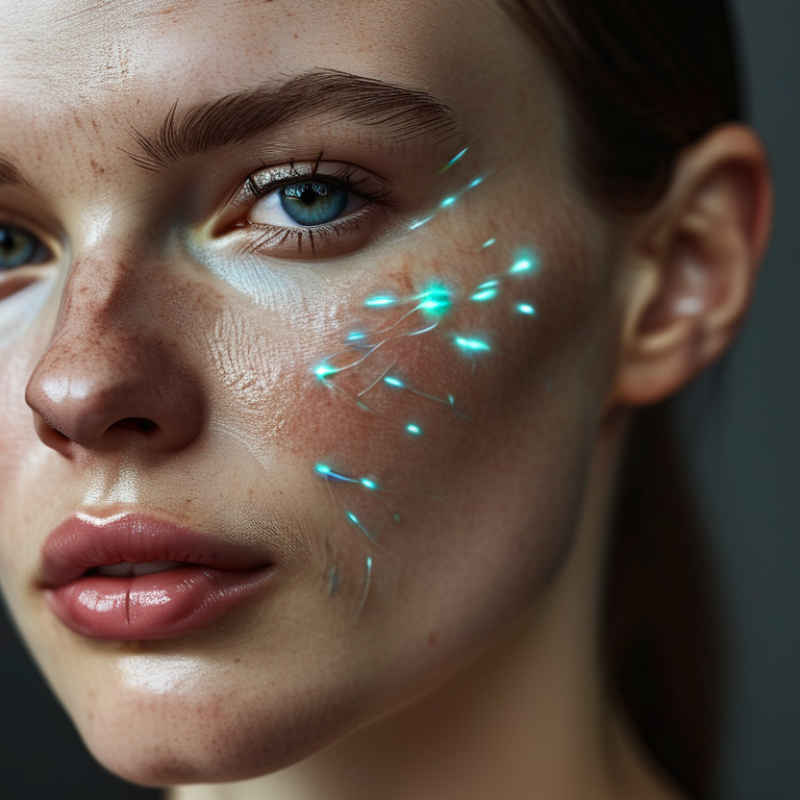
Overview of Hair Removal Methods
Hair removal methods have evolved over the years, with many options available to consumers. Two popular techniques are Intense Pulsed Light (IPL) and laser hair removal. Understanding the difference between these treatments helps individuals make informed choices.
IPL technology uses a broad spectrum of light, targeting the hair follicles. It is effective for a variety of skin types and hair colors. According to a 2022 study published in the Journal of Cosmetic Dermatology, patients who underwent IPL reported a 70% reduction in hair growth after multiple sessions. In contrast, laser hair removal employs a more concentrated beam of light focused on specific pigments in the hair. This method is often more precise, making it a preferred choice for darker hair on lighter skin.
When considering hair removal options, be aware of your skin type and hair characteristics. Consultation with a certified professional is crucial. Each method has its unique pros and cons. For example, IPL is often less painful but may require more sessions for desired results. Taking notes during consultations may help clarify your options and facilitate better decision-making.
What is the Difference Between IPL and Laser Hair Removal? - Overview of Hair Removal Methods
| Feature |
IPL (Intense Pulsed Light) |
Laser Hair Removal |
| Technology |
Uses broad-spectrum light |
Uses focused laser beam |
| Pain Level |
Generally less painful |
Can be more painful |
| Skin Types |
Effective on light to medium skin tones |
Effective on all skin types |
| Treatment Time |
Shorter sessions |
Longer sessions due to precision |
| Results |
May require more sessions for optimal results |
Fewer sessions needed for effective results |
| Cost |
Generally less expensive |
Generally more expensive |
Understanding IPL (Intense Pulsed Light) Technology
Intense Pulsed Light (IPL) technology offers a unique approach to hair removal. It utilizes broad-spectrum light to target hair follicles. The light energy is absorbed by the pigment in the hair, which damages the follicle and inhibits future hair growth. Research indicates that IPL treatments can achieve up to a 70% reduction in hair growth after several sessions. This method is suitable for various skin types and hair colors, making it a versatile choice for many individuals.
Conducting a series of treatments is essential for optimal results. However, IPL is not without its challenges. Some individuals may experience skin irritation or pigmentation changes post-treatment. According to a study published in the Journal of Cosmetic Dermatology, roughly 15% of users reported temporary side effects, highlighting the importance of professional consultation before proceeding. Additionally, while cost-effective, IPL treatments typically require multiple sessions. Patients should be prepared for a financial commitment along with their time.
Moreover, understanding the nuances of IPL technology is essential. It is not as precise as laser hair removal, which targets specific hair follicles more effectively. This difference can affect outcomes depending on hair thickness and skin tone. Contemplating these factors can help users set realistic expectations. Each individual's experience may vary based on their unique skin and hair characteristics. The discussion of expectations and limitations before treatment is crucial for satisfaction.
Exploring Laser Hair Removal Mechanisms
Laser hair removal and IPL (Intense Pulsed Light) are both popular methods for reducing unwanted hair. Understanding the mechanisms behind laser hair removal can help clarify its effectiveness. Laser hair removal uses focused light beams to target hair follicles. The light is absorbed by the pigment in the hair, damaging the follicle and inhibiting future hair growth. This method is precise, ensuring surrounding skin remains largely unaffected.
For optimal results, consider these tips. Ensure your skin is clean and free from products before treatment. Avoid sun exposure and tanning before your sessions. This helps protect your skin and enhances the treatment's effectiveness.
People with lighter skin and darker hair typically see better results. However, results can vary. Some individuals may experience discomfort during the procedure. It’s essential to discuss your pain tolerance with your technician beforehand. While laser hair removal is seen as effective, some may find complete hair removal is not always achievable. Regular touch-ups may be necessary for sustained results.
Key Differences Between IPL and Laser Hair Removal
IPL (Intense Pulsed Light) and laser hair removal are popular methods for reducing unwanted hair. Both technologies utilize light energy, yet they differ significantly in their approach and effectiveness. IPL uses a broad spectrum of light, making it versatile for various skin issues. In contrast, laser hair removal employs a single wavelength, offering targeted treatment for hair follicles.
The treatment experience also varies between the two. IPL sessions typically take longer due to the scattered light targeting a wider area. Patients may notice a warming sensation but usually find it tolerable. Laser hair removal, however, tends to be quicker since the energy is concentrated. Some individuals report a more intense sensation, which can be uncomfortable.
It's essential to consider skin type and hair color when choosing a method. IPL can be effective on lighter skin tones with darker hair, while laser hair removal may work on a broader range of skin tones. However, both methods have their limitations. Results can vary depending on individual factors. Consulting a trained professional is crucial for any procedure.
Safety and Efficacy Comparison of Both Methods
When comparing IPL (Intense Pulsed Light) and laser hair removal, safety and efficacy are key factors to consider. Both methods target hair follicles but do so differently. IPL uses broad-spectrum light, while lasers utilize a single wavelength. This variability can influence results and safety profiles. In a study published in the Journal of Cosmetic Dermatology, IPL showed a hair reduction rate of approximately 70% after multiple sessions. Conversely, laser treatments achieved up to 90% hair reduction within fewer sessions, showcasing a significant advantage in efficacy.
Safety is also a crucial consideration. A report from the American Society for Dermatologic Surgery indicates that adverse effects from both methods are generally mild and temporary. Common side effects include redness and swelling. However, lasers have a more controlled depth of penetration, potentially reducing risks of skin damage. In a survey conducted by the British Journal of Dermatology, 12% of IPL users reported pigment changes, compared to only 3% with laser treatments, highlighting the need for careful selection of the hair removal method.
Despite their effectiveness, both approaches necessitate a thorough consultation with a qualified professional. Individual skin types and hair colors can influence outcomes. Therefore, what works well for one person may not yield the same results for another. Selecting the right technique involves understanding these nuances and considering personal health factors. Prospective clients should weigh both methods critically before making an informed decision.
FAQS
: IPL technology is primarily used for hair removal. It targets hair follicles with broad-spectrum light.
IPL can achieve up to a 70% reduction in hair growth after several sessions. Results may vary by individual.
Yes, some individuals may experience skin irritation or pigmentation changes. Approximately 15% of users report temporary side effects.
Laser hair removal uses focused light beams for more precise targeting. It tends to achieve better results compared to IPL.
Ensure your skin is clean and avoid sun exposure or tanning before treatment. This enhances the session's effectiveness.
Yes, some may experience discomfort during the procedure. Discuss your pain tolerance with your technician before treatment.
Not always. Some individuals may need regular touch-ups to maintain hair reduction results over time.
Both methods have mild and temporary side effects, but lasers have more controlled penetration, reducing the risk of skin damage.
IPL is versatile and suitable for various skin types. However, individual results may differ based on skin and hair characteristics.
Consulting a professional helps set realistic expectations and addresses any unique factors that could influence treatment outcomes.
Conclusion
When considering hair removal options, many people ask, "what is the difference between IPL and laser?" Both methods utilize light technology to target hair follicles, but they operate differently. IPL (Intense Pulsed Light) disperses a broad spectrum of light, which can treat larger areas quickly and is often perceived as less painful. In contrast, laser hair removal employs a focused beam of light with a specific wavelength, making it more precise and typically effective for a wider range of skin tones and hair types.
In terms of safety and efficacy, both technologies have their advantages, yet they cater to different needs. IPL may be better suited for those looking for a quicker treatment on larger areas, while laser hair removal often provides long-term results with fewer sessions needed. Understanding these differences is crucial for individuals seeking effective hair removal solutions tailored to their unique skin and hair characteristics.
 Vasan Medicals
