Vasan Medicals Vasan Medicals

Why Does Hair Grow Back After Laser Treatment Explained?

Time:2026-05-19 Author:Aria
0%

Laser hair removal has gained popularity for its effectiveness. However, many people wonder, "why does hair grow back after laser?" Dr. Emily Thompson, a renowned dermatologist and laser specialist, offers insight into this perplexing issue. She states, "Understanding hair growth cycles helps explain why some hair returns post-laser treatment."

Laser treatment targets hair follicles during their active growth phase. This phase, called anagen, is crucial for effective removal. Yet, not all hair follicles are in this stage at the same time. Consequently, some may evade laser treatment, leading to regrowth. Each follicle operates on its own timeline, contributing to this challenge.

The hair growth cycle consists of several phases. Telogen, the resting phase, allows hair to shed naturally. After laser treatment, follicles can enter this phase, which may cause existing hair to fall out and new hair to emerge later. Patients often express frustration with unexpected regrowth. This highlights the need for multiple treatments to catch hair in various growth phases. Dr. Thompson emphasizes that patience is key. Understanding these cycles can help set realistic expectations for laser hair removal outcomes.
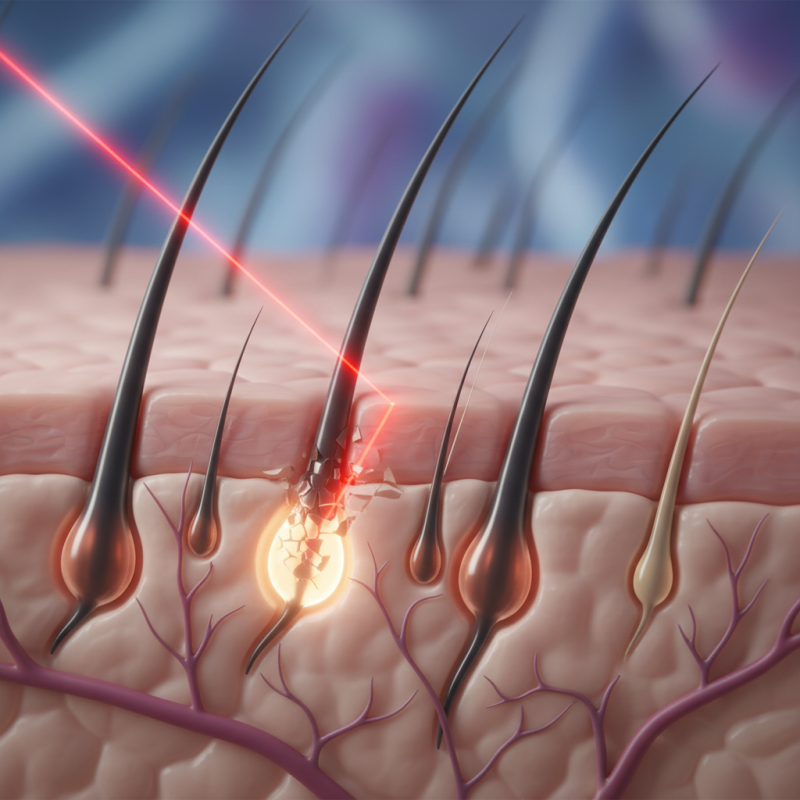
Why Does Hair Grow Back After Laser Treatment Explained?

Understanding Hair Growth Cycle and Laser Treatment Interaction

The hair growth cycle consists of three main phases: anagen, catagen, and telogen. During the anagen phase, hair actively grows. This can last for several years. In contrast, the catagen phase is short, lasting only a few weeks. Hair follicles shrink and prepare for the next phase. Finally, in the telogen phase, hair rests before falling out. Understanding this cycle helps explain why hair regrows after laser treatment.

Laser hair removal targets hair in the anagen phase. The laser emits energy to damage the follicle, aiming to prevent future growth. However, not all hair is in the same phase at the same time. Some hairs may be in catagen or telogen phases during treatment. This variability means that laser treatment may not affect all hairs simultaneously. As a result, hair may eventually regrow.

Even with effective laser treatment, several factors can impact results. Hormonal changes, genetics, and skin type can influence hair regrowth. It’s not uncommon to see hair return after a few months. Regular follow-up treatments may be necessary to achieve optimal results. This insight emphasizes the complexity of hair dynamics, even when using advanced technology. Understanding these elements is crucial for setting realistic expectations.

Hair Growth Cycle and Laser Treatment Interaction

Mechanism of Hair Follicles and Their Response to Laser Therapy

Laser therapy targets hair follicles to reduce hair growth effectively. The mechanism involves using specific wavelengths of light to damage the follicles. This damage disrupts hair production but doesn’t eliminate the roots completely. In fact, studies indicate that up to 30% of treated follicles may recover and regenerate hair over time. Understanding this response is crucial for anyone considering laser treatment.

Hair follicles go through cycles: anagen, catagen, and telogen. Laser treatment is most effective during the anagen phase when hair is actively growing. However, not all follicles are in sync. This misalignment can lead to hair regrowth after treatment. Reports suggest that a combination of treatments, spaced over time, yields the best results.

Tips for optimal results include maintaining a regular treatment schedule and consulting professionals to tailor your sessions. Also, some individuals might experience temporary side effects, like irritation or redness. Reflecting on your experience can help in managing expectations. Consider diary keeping for effects noticed post-treatment. This approach informs future sessions and enhances overall effectiveness.

Factors Influencing Hair Regrowth Post Laser Hair Removal

Laser hair removal can effectively reduce hair growth. However, many people experience regrowth. Understanding the factors influencing this process is crucial.

One critical factor is hair growth cycles. Hair goes through different phases: anagen, catagen, and telogen. Laser treatment targets hair in the anagen phase. If hair follicles are in the other phases, they may not be affected. According to studies, approximately 20% of hair is in the anagen phase at any given time. This explains why multiple sessions are often necessary for optimal results.

Another influencing factor is hair color and thickness. Darker and coarser hair absorbs laser energy more effectively than lighter or finer hair. Research shows that treatments on darker hair yield about 90% effectiveness, while lighter hair may see only 40%. Skin type also plays a role, as lasers are less effective on higher pigmentation skin types due to increased absorption by melanin. This discrepancy often leads to uneven results.

Hormonal fluctuations can also contribute to hair regrowth. Conditions like polycystic ovary syndrome (PCOS) can stimulate hair follicles. Thus, lifestyle factors and medical conditions should be assessed during consultations. Overall, understanding these complexities helps set realistic expectations for hair removal outcomes.

The Role of Laser Wavelengths in Targeting Hair Follicles

Laser hair removal has gained significant attention for its ability to reduce unwanted hair. The secret lies in the targeted wavelengths of light. Different wavelengths penetrate at varying depths, impacting the hair follicle's ability to regenerate hair.

A study by the American Society for Aesthetic Plastic Surgery indicates that laser treatments work best at wavelengths between 700 to 1100 nanometers. These wavelengths effectively target melanin within hair follicles. However, the effectiveness can vary based on skin type and hair color. Darker hair absorbs more light, allowing for better results, while finer hair may not respond as well. The technology is not flawless; some users report hair regrowth, particularly on lighter hair types.

While lasers damage the follicle, complete hair removal isn't guaranteed. Regrowth can occur because not all hair follicles are in the same growth phase during treatment. A review in the Journal of Cosmetic Dermatology highlights that 30% of treated individuals may experience some regrowth after initial sessions. This underscores the need for multiple treatments and ongoing maintenance to ensure optimal results. Proper consultation with a specialist can enhance effectiveness and satisfaction.

Comparative Effectiveness of Laser Treatments vs Other Hair Removal Methods

Laser treatments have gained popularity for hair removal, but they don't guarantee permanent results. Understanding how these methods compare to traditional techniques is essential. Laser hair removal targets hair follicles, reducing hair density over time. However, multiple sessions are often needed to achieve optimal results.

In contrast, methods like shaving or waxing provide immediate results but require frequent maintenance. Shaving can lead to irritation, while waxing may be painful. Neither method offers the long-term reduction that laser treatments can provide. It's crucial to remember that skin types and hair color affect how well any method performs.

Tips: Always consult with a qualified professional before starting laser treatment. They can assess your skin and hair type to recommend the best approach. Keep in mind that results vary; some may find lasers less effective than expected. Document your experiences, as this can help you adjust your hair removal approach over time.

FAQS

: How does laser therapy work on hair follicles?

: Laser therapy uses specific light wavelengths to damage hair follicles, disrupting hair production without fully eliminating the roots.

Why do some hair follicles recover after treatment?

Studies show up to 30% of treated follicles may recover and regenerate hair over time, highlighting the need for multiple sessions.

When is laser treatment most effective?

It's most effective during the anagen phase, where hair is actively growing, but not all follicles are synchronized in this phase.

What can cause hair regrowth after laser treatment?

Hair follicles may be in different growth phases. If treated during catagen or telogen, results might vary.

How does hair color affect laser treatment success?

Darker and coarser hair absorbs laser energy better, resulting in higher effectiveness compared to lighter or finer hair.

Can skin type impact laser hair removal results?

Yes, higher pigmentation skin types absorb more laser energy, leading to potentially lower effectiveness and uneven results.

Are there any side effects during or after treatment?

Some individuals might experience temporary irritation or redness, which should be monitored to manage treatment expectations.

How can I enhance the effectiveness of my laser sessions?

Keeping a diary of your treatment effects and maintaining a regular schedule can help inform future sessions and improve results.

What role do hormonal changes play in hair regrowth?

Hormonal fluctuations, such as those related to PCOS, can stimulate hair follicles, impacting overall treatment effectiveness.

Should I consult a professional before starting laser treatment?

Yes, consulting professionals is crucial. They can assess individual factors and help tailor treatment plans for better outcomes.

Conclusion

The article "Why Does Hair Grow Back After Laser Treatment Explained?" delves into the intricacies of hair growth and the interaction between laser treatment and hair follicles. It begins by outlining the hair growth cycle, highlighting how different phases—anagen, catagen, and telogen—affect the effectiveness of laser therapy. The mechanism by which hair follicles respond to laser energy is also discussed, emphasizing the importance of targeting specific wavelengths that can effectively damage the follicles while minimizing harm to surrounding skin.

In addition to the physiological responses, the article examines several factors influencing hair regrowth post-laser treatment, such as individual hair characteristics, hormonal influences, and the technology utilized in the procedure. By comparing laser treatments with other hair removal methods, it becomes clear why does hair grow back after laser, emphasizing that while laser therapy can significantly reduce hair density, it may not guarantee complete permanent removal due to the complexity of hair biology and treatment limitations.

Aria

Aria

Aria is a dedicated marketing professional with a deep passion for innovative strategies and a keen understanding of our company's product offerings. With a wealth of experience in the industry, Aria excels at crafting engaging content that highlights the unique features and benefits of our......