Vasan Medicals
Acne is a common skin condition that affects millions worldwide. Many seek effective treatments to manage and reduce their breakouts. Among these treatments, Intense Pulsed Light (IPL) therapy has gained popularity. However, the question remains: does IPL help acne? This query is crucial for those struggling with persistent acne.
Recent studies indicate that IPL therapy may reduce inflammation and bacterial growth, contributing to clearer skin. The procedure involves targeting specific wavelengths of light to treat acne lesions. Many dermatologists recommend it for patients who have not seen success with traditional methods.
Despite its potential benefits, IPL is not a panacea. Some individuals experience side effects, and results can vary greatly. Consulting with a qualified dermatologist is vital before beginning treatment. Understanding the nuances of IPL therapy is key to making informed decisions about acne management.
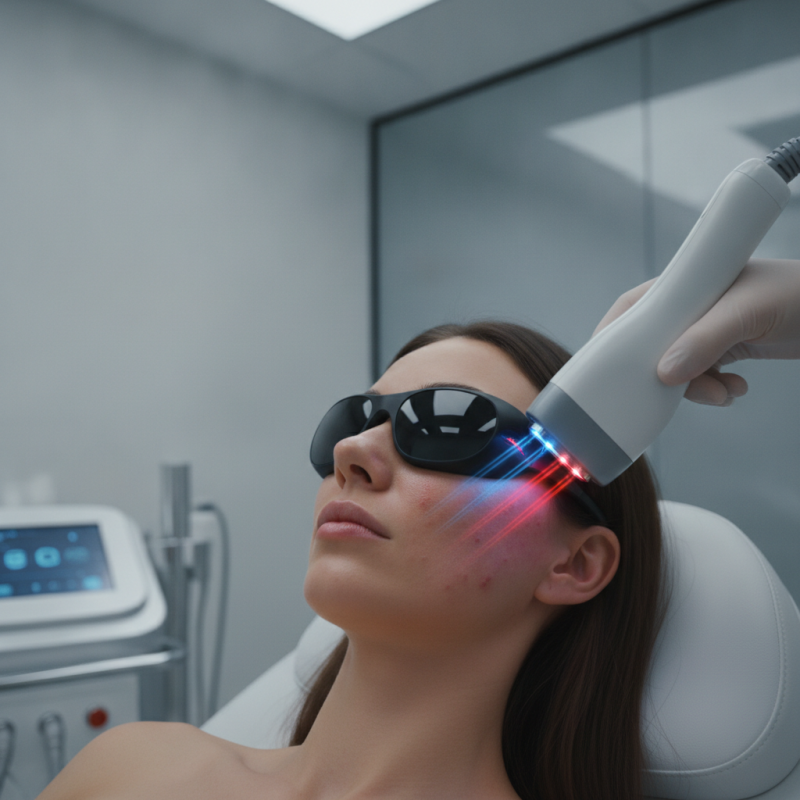
Intense Pulsed Light (IPL) treatment has gained popularity for acne management in recent years. This procedure delivers light energy, targeting acne-causing bacteria and reducing inflammation. Patients often report a decrease in breakouts after multiple sessions. The results can vary, and not everyone achieves the same level of improvement.
When considering IPL for acne, it’s crucial to consult with a qualified dermatologist. They can assess your skin type and recommend an appropriate treatment plan. Some individuals may experience side effects such as redness or temporary discomfort post-treatment. It’s vital to discuss these potential issues before starting.
Tips for effective IPL treatment:
Overall, while IPL may help with acne for many, results can vary. Understanding the procedure is key to setting realistic expectations.
Intense Pulsed Light (IPL) therapy is emerging as a viable option for acne treatment. Understanding its action is crucial. IPL uses broad-spectrum light to target the skin's deeper layers. It effectively reduces acne by minimizing oil production and destroying acne-causing bacteria. The heat generated by the light also helps shrink enlarged pores, making the skin appear smoother.
While IPL shows promise, individual responses can vary. Some patients report quick improvements, while others may need several sessions. Skin type, acne severity, and treatment frequency all play vital roles in efficacy. It’s essential to consult a qualified dermatologist to determine if IPL is suitable for you.
Tips: Consider keeping a skincare journal to track your treatment progress. Note any reactions or improvements. Always wear sunscreen after treatment, as your skin may be more sensitive. Be patient; healing takes time, and every skin responds differently.
Recent studies have focused on the efficacy of Intense Pulsed Light (IPL) treatment for acne. Many patients hope for clear skin through this method. However, results can vary widely. Some reports indicate a significant reduction in acne lesions, while others show minimal improvement. This inconsistency raises questions about the treatment's effectiveness.
The mechanism behind IPL involves targeting the bacteria that cause acne and reducing inflammation. Experts note that skin type plays a critical role in response. For some, IPL offers promising results, leading to lasting improvement. Yet, others may not experience the same benefits. These differing outcomes highlight the need for personalized treatment plans.
While IPL may show potential, it is not a one-size-fits-all solution. Some individuals require multiple sessions to see results, while others may need complementary treatments. The psychological impact of fluctuating outcomes can be frustrating. Patients should have realistic expectations and engage in open discussions with their dermatologists. Ongoing research is essential to refine these techniques and better understand who will benefit the most.
Intense Pulsed Light (IPL) treatment has gained popularity for acne management. It works by targeting the bacteria that cause acne and reducing inflammation. However, potential side effects and risks deserve careful consideration. Users may experience skin redness, swelling, or mild discomfort immediately after the treatment. These effects often resolve quickly but may still cause concern for individuals with sensitive skin.
In some cases, IPL can lead to pigmentation changes. Darker skin tones may be more susceptible to hyperpigmentation or hypopigmentation. This risk highlights the importance of consulting with a qualified professional before undergoing treatment. Potential scarring is another factor that can arise, particularly if post-treatment care is neglected.
Patients should also be aware of the possibility of multiple sessions needed for optimal results. This can lead to higher costs and longer commitment to treatment. While IPL offers promising benefits, it is crucial to weigh these risks against the expected outcomes. Each person's skin reacts differently, making a tailored approach essential for effective management of acne.
In 2026, intense pulsed light (IPL) treatment has emerged as a popular option for acne management. Recent studies indicate that IPL therapy can reduce acne lesions by approximately 70% in many patients. This technique employs broad-spectrum light to target acne-causing bacteria while minimizing skin damage. However, the effectiveness of IPL varies significantly among individuals.
Comparative analyses reveal that while IPL is effective, it may not be the best choice for everyone. Traditional treatments, such as topical retinoids, exhibit strong results too, often reducing acne by around 60%. Moreover, chemical peels and laser therapies also show considerable success. Each treatment has unique benefits and potential drawbacks. Patients must consider their skin type and acne severity before choosing a method.
Tip: Always consult with a dermatologist to create a tailored treatment plan. This step is crucial for understanding which option aligns best with your individual needs. It's important to note that some patients experience side effects from IPL, such as redness or swelling. Tracking your skin’s response can help in refining your approach. Regular follow-ups with professionals can aid in making necessary adjustments.
: IPL treatment is used primarily for managing acne by targeting bacteria and reducing inflammation.
Users may experience skin redness, swelling, or mild discomfort after treatment.
Each person's skin reacts differently, which can affect the severity of side effects.
Yes, darker skin tones may experience hyperpigmentation or hypopigmentation after treatment.
Multiple sessions may be necessary, which can lead to higher costs and longer treatment commitments.
Traditional treatments like topical retinoids, chemical peels, and laser therapies also show significant results.
A dermatologist can help create a tailored treatment plan based on skin type and acne severity.
Yes, neglecting post-treatment care can lead to potential scarring.
Tracking your skin’s reactions and symptoms after treatment can help refine future approaches.
Regular follow-ups with professionals are essential for making necessary adjustments based on your experience.
In 2026, the question of "does IPL help acne" has garnered significant attention as intense pulsed light (IPL) treatment becomes an increasingly popular option for acne management. This innovative therapy works by targeting the bacteria and inflammation associated with acne, promoting skin healing through photothermal effects. Recent studies indicate that IPL demonstrates promising efficacy in reducing acne lesions and improving overall skin texture, potentially making it a favorable alternative to traditional acne treatments.
However, it's essential to consider the potential side effects and risks associated with IPL, such as skin irritation and pigmentation changes. A comparative analysis reveals that while IPL offers several benefits, other treatments, including topical and oral medications, may still be more suitable for certain individuals. As the conversation around acne treatment continues to evolve, IPL presents a valuable option that warrants further exploration for those seeking effective acne solutions in 2026.
