Vasan Medicals Vasan Medicals

Top 5 Differences Between IPL and Laser You Should Know?

Time:2026-05-09 Author:Liam
0%

When exploring hair removal technologies, many wonder, "what is the difference between IPL and laser?" According to Dr. Sarah Johnson, a leading dermatologist, "Understanding the nuances between IPL and laser treatments can enhance patient outcomes." In the field of aesthetic medicine, both IPL (Intense Pulsed Light) and laser therapies are popular choices. However, they serve different purposes and work through distinct mechanisms.

IPL utilizes a broad spectrum of light wavelengths, targeting various skin issues. It is effective for conditions like pigmentation, redness, and hair removal. In contrast, laser employs a single wavelength of light, allowing for more precise targeting. This makes it ideal for specific treatments, such as tattoo removal and deeper tissue therapy.

Yet, the choice between IPL and laser can be confusing. While both methods can achieve significant results, they also have their drawbacks. IPL may not penetrate as deeply as lasers, which could limit effectiveness for certain skin types. On the other hand, laser treatments can be more intense, leading to increased discomfort and longer recovery times. Understanding these differences is crucial for anyone contemplating these treatments.
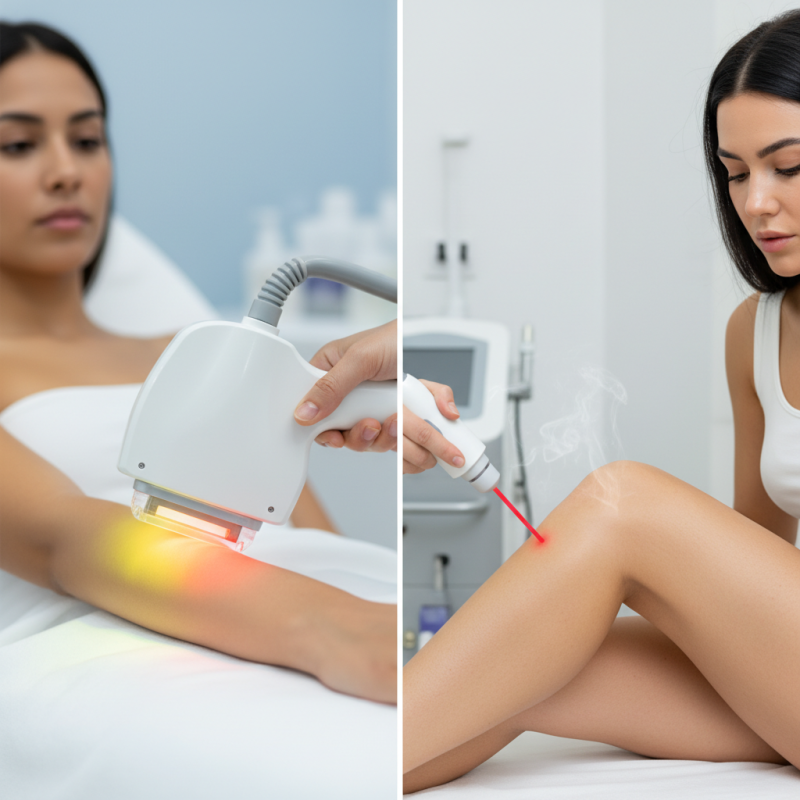
Top 5 Differences Between IPL and Laser You Should Know?

Differences in Technology: IPL vs. Laser Explained

When it comes to aesthetic treatments, understanding the technology behind them is crucial. Intense Pulsed Light (IPL) and laser hair removal are two popular options. They utilize light energy, but their methods differ significantly.

IPL devices emit a broad spectrum of light. This light penetrates the skin at various depths. In contrast, laser treatments use a single, focused wavelength of light aimed at specific targets. This specificity allows lasers to be more effective for precise treatments.

A recent report from the American Society for Aesthetic Plastic Surgery noted that over 1.4 million laser procedures were performed in 2022. This reflects the growing popularity of laser treatments due to their efficiency. However, IPL treatments can cover larger skin areas quickly. They are often perceived as less painful than laser procedures. Pain tolerance varies, so some users may find IPL less effective. The variability in light application can lead to inconsistent results.

Moreover, while both methods have their advantages, the long-term effects can differ. Laser treatments tend to provide more permanent results. However, they often come with higher costs. IPL may require more frequent sessions, and the results may not last as long. Understanding these differences is essential when choosing the right treatment. By weighing the benefits and limitations of both technologies, individuals can make informed decisions that align with their specific needs.

Targeting Mechanisms: How IPL and Laser Approach Hair Removal

When it comes to hair removal, understanding the differences between Intense Pulsed Light (IPL) and laser treatment is crucial. Both methods leverage light technology to target hair follicles, but they use different approaches. IPL emits broad-spectrum light across various wavelengths. This scattering effect can make it less precise. On the other hand, laser treatment uses a focused beam of light that targets specific hair pigments. The accuracy of lasers can lead to more effective and faster results.

A 2022 report from the American Society for Aesthetic Plastic Surgery indicated that more patients prefer laser treatments due to their efficiency. Furthermore, studies reveal that laser hair removal has a 70% effectiveness rate after just a few sessions. In contrast, IPL shows varied results, with many requiring repeated sessions to achieve similar outcomes. Some users reported discomfort during IPL treatments. The risk of burns increases with improper settings. Awareness of these nuances is essential for achieving desired results while maintaining safety.

Understanding the targeting mechanisms helps consumers choose wisely. While IPL can treat larger areas faster, it may not be suitable for all skin types. Laser treatments are often deemed safer for darker skin tones due to their focused nature. According to a 2021 survey, 30% of patients reported experiencing side effects from IPL treatments. This highlights the importance of consulting licensed practitioners before undergoing any procedure.

Treatment Effectiveness: Comparing Results of IPL and Laser

When discussing the treatment effectiveness of IPL (Intense Pulsed Light) and laser treatments, it's essential to delve into their distinct mechanisms. IPL utilizes broad-spectrum light, delivering multiple wavelengths that target pigmentation, redness, and skin texture issues. According to a 2021 study from the Journal of Dermatological Treatment, IPL has shown effective results in improving skin appearance in 75% of patients with sun damage.

In contrast, laser treatment uses specific wavelengths to target deeper skin layers. A 2022 review published in Lasers in Surgery and Medicine indicates a significant improvement in acne scars and deep wrinkles for over 80% of recipients. While both methods offer substantial benefits, they cater to different skin concerns. IPL is often better for superficial issues, while laser excels at deeper skin conditions.

Many practitioners emphasize the need for individualized treatment plans. Some patients may experience varying levels of satisfaction. Side effects can include temporary redness or swelling, which might linger. Both methods require careful consideration and professional consultation. This highlights the ongoing evolution in dermatological treatments, where patient experiences and needs guide advancements.

Pain and Comfort Levels: What to Expect from Each Method

When comparing IPL and laser treatments, pain and comfort levels are essential to consider. In general, IPL, or Intense Pulsed Light, often creates a warm sensation on the skin. Many users describe it as similar to a rubber band snap. The sensation is brief but can vary in intensity. Some people find it tolerable, while others may experience discomfort.

On the other hand, laser treatments target specific areas with precision. This focused approach can lead to a sharper, more intense feeling during the session. Patients might liken it to a quick pinch or stinging sensation. Recovery time is typically minimal, but redness or swelling may occur in some cases.

Ultimately, each method has its unique comfort levels. Individual pain tolerance plays a significant role. It's vital to discuss expectations with a qualified professional. They can provide insights based on specific skin types and treatment areas. Being aware of potential discomfort allows for better preparation. Listening to personal experiences can also help in making informed decisions.

Cost and Maintenance: Budgeting for IPL vs. Laser Treatments

When considering IPL and laser treatments, cost plays a significant role. IPL (Intense Pulsed Light) typically has a lower upfront cost, averaging around $100 to $500 per session. In contrast, laser treatments can range from $200 to over $1,000 per session. The choice of treatment can directly influence your budget over time.

Maintenance is another critical factor in budgeting for these treatments. IPL may require more frequent sessions, often every four to six weeks. This leads to ongoing costs that add up quickly. For instance, an individual might spend $1,500 to $3,000 annually on IPL treatments. Laser treatments, while pricier, often provide longer-lasting results, potentially reducing the frequency of sessions. Some users find they need only one to two treatments a year, leading to lower annual costs.

However, while the initial financial commitment for laser is higher, the long-term savings can be significant. When individuals consider the longevity of results, they may realize that IPL's lower cost may not always lead to greater savings. Hence, when budgeting for skin treatments, weighing long-term benefits against initial costs is crucial. Always assess personal needs, desired outcomes, and treatment efficacy before making a decision.

FAQS

: What is the difference between IPL and laser treatments?

: IPL uses broad-spectrum light for superficial skin issues. Laser targets deeper layers with specific wavelengths.

How effective is IPL for skin improvement?

IPL shows effective results for 75% of patients with sun damage, improving skin appearance considerably.

What percentage of patients benefit from laser treatments?

Over 80% of recipients see significant improvement in acne scars and deep wrinkles with laser treatments.

How often do I need IPL sessions?

IPL treatments usually require sessions every four to six weeks, leading to higher costs over time.

Are there any side effects from these treatments?

Side effects can include temporary redness or swelling. Experiences may vary from person to person.

Which treatment is more budget-friendly?

IPL has a lower upfront cost but may involve more frequent sessions, impacting long-term expenses.

How do I determine the best treatment for my skin?

Individualized treatment plans are essential. Consult a professional to assess personal skin concerns.

Can laser treatments save money in the long run?

Yes, while laser has a higher initial cost, fewer sessions may lead to long-term savings.

Why is it important to assess personal needs before treatment?

Each individual's needs and desired outcomes influence treatment efficacy. A tailored approach is recommended.

Is there a guarantee of satisfaction with these treatments?

Satisfaction levels can vary. It's important to reflect on personal skin goals and treatment experiences.

Conclusion

When exploring the question of "what is the difference between IPL and laser," it's essential to understand the distinct technologies behind each method. Intense Pulsed Light (IPL) utilizes broad-spectrum light, making it effective for various skin types and conditions. In contrast, laser focuses on a specific wavelength, providing targeted treatments for particular areas, leading to more precise hair removal.

Additionally, their targeting mechanisms differ considerably; IPL is less focused, potentially treating larger areas but may require more sessions for optimal results. On the other hand, laser treatments often yield faster results due to their concentrated nature. Pain and comfort levels can vary, with many finding IPL to be less intense than laser. Finally, budget considerations play a crucial role, as IPL treatments tend to be generally more affordable than laser options. Understanding these differences can help individuals make informed choices between IPL and laser hair removal.

Liam

Liam

Liam is a dedicated marketing professional with a profound expertise in the industry, where he excels at highlighting the unique advantages of our core products. With a keen understanding of market trends and consumer needs, Liam frequently updates our company’s professional blog, providing......