Vasan Medicals
Is laser hair removal permanent? The honest answer is more nuanced than many salon advertisements suggest. Laser treatment can produce long-term hair reduction, but it does not guarantee that every treated follicle will stay inactive forever. Hair may return because of hormonal changes, genetics, medication, or incomplete treatment. Some regrowth is normal.
Board-certified dermatologist Dr. Tina Alster describes the distinction clearly: “Laser hair removal is permanent hair reduction, not permanent hair removal.” Her statement reflects current clinical practice. The laser targets melanin inside the hair shaft and damages the follicle during its active growth phase. Because follicles grow at different times, patients usually need several sessions spaced weeks apart. Even then, results vary.
Skin tone matters.
Dark, coarse hair often responds more visibly than fine, pale hair. People with deeper skin tones may require carefully selected wavelengths and conservative settings. An experienced medical provider should assess skin type, hair color, medications, and recent sun exposure before treatment. That consultation is not a formality. It helps reduce the risk of burns, pigment changes, and disappointing results.
The process is not perfectly predictable. I once expected “permanent” to mean effortless, lifelong smoothness, but that expectation is too simple. Many patients still schedule occasional maintenance sessions, especially when hormones shift. This guide examines what laser hair removal can realistically achieve, how long results may last, and why professional evaluation remains essential. The goal is informed confidence, not exaggerated promises.
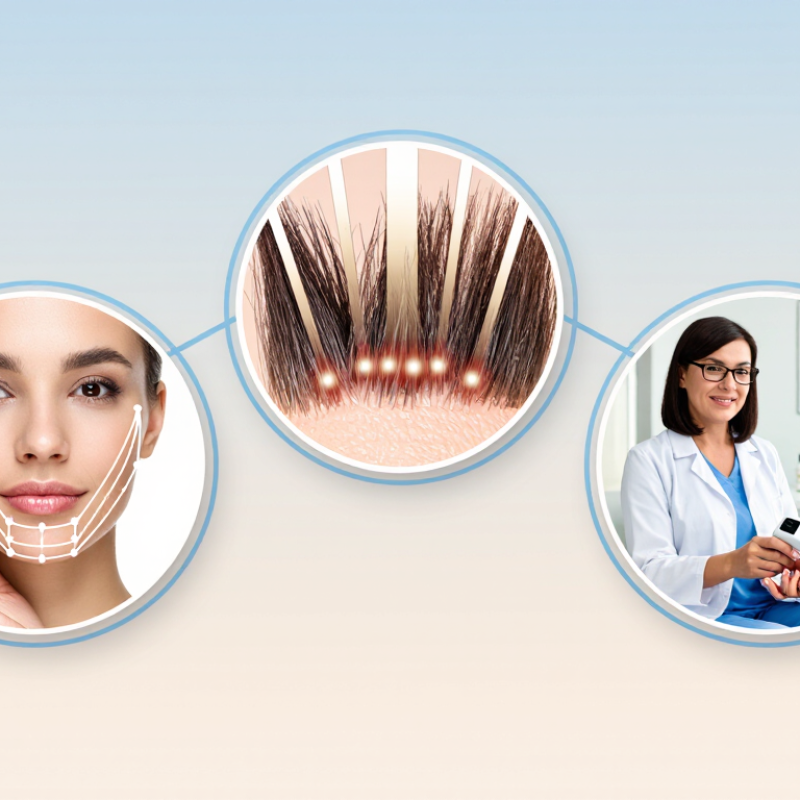
Laser hair removal works by directing concentrated light into the pigment of a hair. The pigment absorbs this energy and converts it into heat. That heat damages the follicle, reducing its ability to produce another hair. Hair cannot be treated equally at every stage. The light works best during the active growth phase, while resting follicles may remain unaffected. This explains why several appointments are usually necessary. The American Academy of Dermatology reports that many patients need two to six treatments, depending on hair colour, thickness, skin tone, and treatment area.
The word permanent can be misleading. The U.S. Food and Drug Administration defines permanent hair reduction as a long-term, stable decrease in regrowth, not guaranteed lifelong removal. Some fine hairs may return because hormones, ageing, or medication can influence follicles. In clinical practice, maintenance sessions may help control this regrowth.
I would not promise perfectly smooth skin forever. That promise sounds attractive, but it is not medically careful. Results also depend on correct wavelength selection and professional assessment of the skin.
Tips: Avoid tanning before treatment, and follow the clinic’s instructions about shaving. Do not wax or pluck between sessions, because the follicle needs to remain present for the light to target it. Expect mild redness, similar to small mosquito bites, for a short time. Ask about cooling methods and possible side effects. Darker skin requires thoughtful settings, since excessive heat may increase the risk of temporary pigment changes. Results vary. That matters.
“Permanent” does not usually mean that every hair disappears forever. In clinical language, it often means a long-term, stable reduction in hair regrowth. Treated follicles may produce fewer hairs, finer hairs, or slower growth after several sessions. Laser energy works best during the active growth phase. Since hairs grow in different cycles, one appointment cannot target them all. Multiple treatments are normally needed.
Results vary with hair color, skin tone, hormonal changes, and treatment area. Darker, coarser hair often responds more visibly than very light or gray hair. A qualified practitioner should assess your skin and hair before treatment. They should discuss settings, possible irritation, and realistic expectations. After a session, mild redness can resemble tiny sunburn spots. This often settles within a short time, but reactions differ.
Maintenance may still be necessary. New growth can appear months or years later, especially when hormones change. That does not automatically mean the treatment failed. It may reflect untreated follicles or natural biological changes. The word permanent can sound too absolute. I would treat it as a promise of reduction, not total removal. Careful records, consistent appointments, and honest follow-up make the outcome more dependable.
Laser hair removal is usually long-term hair reduction, not a guaranteed permanent result. After several treatment sessions, many people notice finer, lighter, and slower-growing hair. Some follicles may remain active, however. Results differ from person to person.
Hair color and skin tone can affect treatment response. Darker hair usually absorbs laser energy more effectively than blonde, red, gray, or white hair. Hormonal changes may also stimulate new growth, especially around the face, chin, or bikini area. Conditions linked to hormonal imbalance can make maintenance sessions more likely. Small details matter.
Timing matters too. Hair grows in cycles, so sessions must be spaced according to the treatment area. Shaving is often preferred before treatment, while waxing may remove the target root. Sun exposure can increase skin sensitivity and limit safe treatment settings. Follow the provider’s aftercare instructions carefully. This includes protecting treated skin from strong sunlight and avoiding unnecessary irritation.
Provider training also affects long-term safety and results. A qualified professional should assess your skin, hair, medical history, and current medications before treatment. Be cautious of promises that sound absolute. “Permanent” can be misleading. Even when results are excellent, occasional regrowth may occur, and maintenance can become part of the routine. There is no perfect schedule for everyone. Discovering that may require patience and a little adjustment.
Laser hair removal is best understood as long-term hair reduction, not guaranteed permanent removal. The U.S. Food and Drug Administration defines “permanent hair reduction” as a stable decrease in regrowth after treatment. Some follicles may remain active.
The process is clinical, not instant. A trained professional usually examines your skin tone, hair color, medications, and tanning history. You may feel quick snaps, warmth, or a rubber-band sensation. Protective eyewear is essential.
Shaving is commonly advised beforehand, while waxing can interfere with the target follicle. The American Academy of Dermatology Association reports that many patients need two to six treatments, spaced several weeks apart.
Darker, coarse hair often responds more clearly than pale, gray, or red hair. Results vary.
Expect temporary redness and swelling around the follicles. These effects often resemble mild sunburn and may settle within hours or a few days. Cool compresses can help. Avoid direct sun, tanning, harsh exfoliants, and unnecessary heat after treatment. Apply broad-spectrum sunscreen as advised by your clinician. Do not pick irritated skin.
Maintenance sessions may be necessary. That part is easy to underestimate. A 2023 systematic review in Dermatologic Surgery found that outcomes differ substantially by body area, device settings, and patient characteristics.
I would not promise perfectly smooth skin forever. A proper consultation should explain likely reduction, possible side effects, and realistic maintenance needs before treatment begins.
Is Laser Hair Removal Permanent? What You Need to Know
Maintenance sessions are normal, not a sign of treatment failure. Laser energy reduces active hair follicles, but it cannot stop every future growth cycle. Hormonal changes, medication, age, and genetics may influence regrowth. Some people notice fine hairs several months later. Others need occasional treatment once or twice each year.
Follow-up timing depends on the treatment area and your response. A qualified professional may suggest maintenance after observing new growth. Shaving is usually preferred between sessions. Waxing or plucking can remove the target hair and make later treatment less effective. Avoid tanning before and after appointments. Daily broad-spectrum sunscreen also helps reduce pigment changes.
Temporary redness, warmth, and small bumps can appear around treated follicles. These effects often settle within a few hours. More serious reactions are uncommon but may include burns, blistering, scarring, or lighter or darker skin patches. Rarely, hair may grow more densely near the treated area. This possibility deserves honest discussion.
Skin tone and hair color affect results. Darker skin may require carefully adjusted settings to reduce burn risks. Light, gray, or red hair can respond less predictably. A patch test and detailed medical history are sensible safeguards. The word permanent sounds too certain; long-term reduction is more accurate. Progress can be uneven. That part is often underestimated.
| Topic | Evidence-Based Information | Typical Expectations | Important Considerations |
|---|---|---|---|
| Is the result permanent? | Laser hair removal provides long-term hair reduction rather than a guaranteed permanent removal of every hair. | Long-term reduction | Some treated hairs may regrow because hair follicles respond differently and hormonal changes can stimulate new growth. |
| How many initial sessions are common? | Many people need approximately 6 to 8 treatment sessions for a substantial reduction, although the number varies by treatment area, hair characteristics, and individual response. | About 6–8 sessions | Facial areas, hormonally influenced hair, and areas with finer hair may require additional sessions. |
| Spacing between sessions | Sessions are commonly scheduled several weeks apart so that more hairs can be treated during an active growth phase. | Usually 4–8 weeks | The appropriate interval depends on the body area, hair-growth cycle, and the provider’s assessment. |
| Why multiple sessions are needed | Laser energy is most effective when hair is in the active growth phase. Not all hairs are in that phase at the same time. | Progressive improvement | Hair usually becomes less dense, finer, and slower growing over a series of treatments. |
| Maintenance treatments | Some people benefit from occasional maintenance sessions after the initial course. | As needed | Maintenance may be needed every few months or less often, depending on regrowth and hormonal factors. There is no universal schedule. |
| Best hair characteristics for response | Laser treatment generally responds best when there is a clear contrast between the hair and the surrounding skin. | Dark, coarse hair often responds better | Very light blond, white, gray, or red hair may respond poorly because it contains less of the pigment targeted by many lasers. |
| Temporary redness and swelling | Redness and small, raised areas around treated follicles can occur shortly after treatment. | Common and usually short-lived | These effects often settle within a few hours to a couple of days. Cool compresses may provide comfort. |
| Temporary discomfort | People may feel warmth, snapping, or a prickling sensation during treatment. | Usually manageable | Comfort measures vary by device and provider. Tell the practitioner if discomfort is significant. |
| Skin color changes | Temporary darkening or lightening of the skin can occur, particularly after excessive sun exposure or when settings are not well matched to the skin. | Uncommon but possible | Risk may be higher in darker or recently tanned skin. A qualified professional should select appropriate settings and precautions. |
| Blisters, crusting, or burns | Blistering, crusting, and burns are uncommon but possible complications. | Seek medical advice if present | Promptly contact a qualified healthcare professional if severe pain, blistering, open skin, or worsening symptoms develop. |
| Rare increased hair growth | Paradoxical hypertrichosis, in which hair appears thicker or more abundant near the treated area, is rare but recognized. | Rare possibility | It has been reported more often in some facial areas and certain skin or hair types. Discuss individual risk during consultation. |
| Sun exposure and tanning | Recent tanning can increase the risk of side effects and may affect treatment suitability. | Avoid before and after treatment | Follow the provider’s sun-avoidance instructions and use broad-spectrum sunscreen on exposed treated skin. |
| Hair removal between sessions | Shaving is generally compatible with treatment, while waxing, tweezing, and epilating remove the follicle’s target and may reduce treatment effectiveness. | Shave when advised | Follow the clinic’s preparation instructions and avoid methods that pull hair from the root during the treatment course unless advised otherwise. |
| Hormonal conditions | Conditions or life stages that affect hormones can contribute to new hair growth and may increase the need for maintenance. | Results may vary | Discuss irregular or excessive hair growth with a healthcare professional, especially when accompanied by other hormonal symptoms. |
| When to seek professional advice | Consult a qualified medical professional before treatment if you have a skin condition, active infection, recent tan, unusual scarring tendency, or concerns about medications. | Individual assessment recommended | Laser settings and suitability should be determined by a trained practitioner rather than based solely on a general schedule. |
Usually, no. It generally means long-term reduction in hair regrowth. Some follicles may still produce fine hairs later. The wording can sound too certain.
Hair grows in different cycles. Laser energy works best during active growth. One appointment cannot target every follicle.
Darker, coarser hair often shows clearer reduction. Very light or gray hair may respond less predictably. Results vary.
Yes. Hormonal changes, age, genetics, and medication may influence regrowth. This does not automatically mean treatment failed.
Yes. Some people need occasional treatment once or twice yearly. Timing depends on the area and your response.
Shaving is usually preferred. Waxing and plucking may remove the target hair. Avoid tanning before and after appointments. Use broad-spectrum sunscreen daily.
Mild redness, warmth, or small bumps may appear around follicles. Tiny sunburn-like spots are possible. These effects often settle within hours.
A qualified practitioner should review your skin, hair, medications, and medical history. A patch test and careful settings are sensible safeguards. Progress may still be uneven.
Is laser hair removal permanent? It is best understood as a method of long-term hair reduction rather than a guarantee that every hair will disappear forever. The treatment uses concentrated light energy to target pigment in the hair follicle, weakening its ability to produce new growth. Because hair grows in different cycles, several sessions are usually needed to treat follicles effectively.
Long-term results can vary depending on hair color, skin tone, hormonal changes, treatment area, and individual growth patterns. After a session, temporary redness, sensitivity, or mild swelling may occur, but these effects typically improve quickly with proper aftercare. As hair gradually becomes finer and less noticeable, occasional maintenance sessions may help preserve results. Following professional guidance, protecting treated skin from excessive sun exposure, and reporting unusual reactions can support a safer and more effective experience.
