When considering hair removal, many ask, "what is the safest hair removal method?" Dr. Emily Carter, a renowned dermatologist, emphasizes, “The safest approach minimizes risks while ensuring effective results.” Each method carries its own pros and cons. Understanding these can help you make informed choices.
One of the safest methods for hair removal is laser treatment. It offers long-lasting results with minimal risk when performed by certified professionals. Yet, not everyone will have the same experience. Skin type and hair color play important roles, making personal consultation essential.
Another option is natural hair removal, like sugaring or waxing. These methods use gentle ingredients but may not suit sensitive skin. The search for the ideal method often requires individuals to trial different techniques. Your individual comfort and skin sensitivity should guide your decisions. Ultimately, the safest method is the one that aligns with your unique needs and lifestyle.
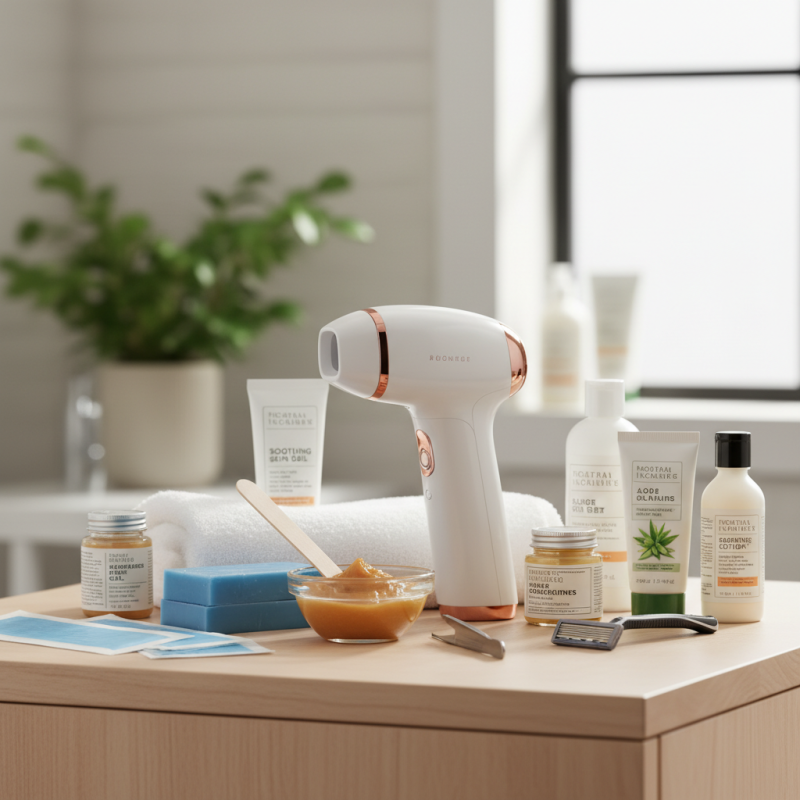
Top 5 Safest Hair Removal Methods: An Overview of Popular Techniques
When it comes to hair removal, safety is essential. Many methods can achieve smooth skin without causing harm. Here are some popular and safe techniques to explore.
Laser Hair Removal is gaining traction for its precision. It targets hair follicles while leaving the skin unharmed. This method requires multiple sessions for best results. Some skin types may experience temporary irritation. Always consult a professional before starting.
Waxing is another common choice. It removes hair from the root, which may lead to longer-lasting effects. However, sensitive skin can react badly. Conduct a patch test beforehand. Try using a soothing lotion afterward to minimize discomfort.
Electrolysis is a permanent option. It uses electrical currents to destroy hair follicles. While effective, it's also time-consuming and can be uncomfortable. Those interested should research qualified practitioners. Ensuring they have the right credentials can make a difference.
Remember to always follow aftercare tips. Moisturizing the skin helps with recovery. Patience is key; results vary among individuals. Each method has pros and cons that require careful consideration. By prioritizing safety, you can enjoy smoother skin with peace of mind.
Efficacy and Safety of Laser Hair Removal: A Research Analysis
Laser hair removal has become a popular choice due to its efficacy and safety profile. Research shows that up to 90% of patients experience significant hair reduction after a series of treatments. The technology targets hair follicles while sparing surrounding skin, which increases its safety. According to the American Society for Aesthetic Plastic Surgery, laser hair removal procedures have increased by over 40% in recent years, reflecting growing consumer confidence in this method.
However, not all patients achieve the same results. The type of laser, skin color, and hair type can influence efficacy. Complications, while rare, can include temporary skin irritation and pigment changes. The Journal of Clinical and Aesthetic Dermatology highlights that proper selection and usage of lasers are critical for minimizing risks. Poorly conducted procedures can lead to discomfort and suboptimal outcomes, reminding us that expertise matters.
Adverse effects are typically mild but may require follow-up care. On rare occasions, patients report burns or blisters. It's vital to seek treatment from qualified practitioners who adhere to safety standards. This highlights the importance of informed decisions regarding laser hair removal. Each individual’s experience can vary, reminding us that even popular methods have their risks.
Top 5 Safest Hair Removal Methods
Understanding the Benefits of Intense Pulsed Light (IPL) Treatments
Intense Pulsed Light (IPL) treatments are becoming popular for hair removal. They use broad-spectrum light to target hair follicles. This method is less invasive compared to traditional shaving or waxing. Many people find IPL more effective for long-term hair reduction.
One of the key benefits of IPL is its ability to treat larger areas quickly. Sessions are relatively short, allowing for hair removal on legs, arms, and back without much discomfort. However, results can vary. Some users may not achieve the desired outcome in the first few sessions.
Safety is another advantage of IPL treatments. Many studies show that, when performed correctly, IPL is suitable for most skin types. Skin sensitivity varies, so it’s crucial to conduct a patch test beforehand. Understanding your skin type and needs is essential. Consulting a professional helps narrow down the right approach. Then, enjoy smoother skin without the hassle of frequent shaving or waxing.
Top 5 Safest Hair Removal Methods You Should Try
| Method |
Safety Rating |
Effectiveness |
Duration of Results |
Cost |
| Intense Pulsed Light (IPL) |
High |
Very Effective |
Long-lasting |
$$$ |
| Laser Hair Removal |
High |
Very Effective |
Long-lasting |
$$$$ |
| Electrolysis |
Medium |
Effective |
Permanent |
$$$ |
| Waxing |
Low |
Moderately Effective |
Short to Medium |
$ |
| Hair Removal Creams |
Medium |
Effective |
Short |
$ |
Comparing the Safety of Waxing vs. Sugaring for Hair Removal
When it comes to hair removal, the safety of methods like waxing and sugaring is often debated. Both techniques use different ingredients and processes, impacting their overall safety. Studies indicate that sulfonic acid levels in traditional wax can cause skin irritation or allergic reactions in about 10% of users. This risk increases when the product is applied to sensitive skin areas.
Sugaring, on the other hand, employs a formula made of sugar, lemon juice, and water, which is more natural and gentler on the skin. According to a study published in the Journal of Cosmetic Dermatology, 85% of participants reported reduced skin irritation when using sugaring. The natural ingredients in sugaring minimize the risk of allergic reactions.
However, not everyone responds the same way. Some individuals might find sugaring less effective for coarse hair. It’s essential to conduct patch tests before full application. These insights emphasize the importance of understanding your skin’s unique responses to hair removal methods. Individual experiences can vary greatly due to personal skin conditions, which should always be taken into account.
The Role of Electrical Epilation in Long-Term Hair Reduction Strategies
Electrical epilation stands out as a prominent technique in the realm of hair removal. This method uses electrical currents to target and damage hair follicles. The goal is to achieve long-lasting hair reduction. Unlike traditional methods, electrical epilation can offer more permanent results. Many individuals seek this route to reduce the frequency of their hair removal routines.
Experiencing electrical epilation can come with some discomfort. It is not always pain-free. Some users describe sensations ranging from mild tingling to sharper discomfort. This reaction varies widely from person to person. Proper preparation can help mitigate discomfort. Consulting with a qualified technician can make a significant difference. They can provide insight into what to expect and how to manage any side effects.
While effective, electrical epilation requires a commitment to multiple sessions. A single treatment rarely provides complete results. Users should anticipate a series of visits for optimal outcomes. This aspect can be a drawback for those seeking immediate results. Additionally, it's essential to consider skin sensitivity. Some individuals may experience irritation after sessions, highlighting the need for cautious aftercare. Understanding these factors can guide effective long-term hair reduction strategies.
Assessing the Impact of Depilatory Creams: Ingredients and Skin Reactions
When considering hair removal, many turn to depilatory creams. These products promise quick results but often come with potential risks. A closer look reveals diverse ingredients that can cause varied skin reactions. Some common components include calcium thioglycolate and potassium thioglycolate. These chemicals dissolve hair at the skin's surface.
However, not everyone reacts the same way. Skin sensitivity varies widely. Patch tests are essential before full application. Allergic reactions can occur, resulting in irritation or rashes. It’s crucial to monitor how your skin responds. Some individuals may experience more discomfort than expected.
Beyond reactions, understanding your skin type is vital. Oily or sensitive skin may react differently than dry skin. Each person's experience can differ significantly. Consult with a dermatologist if in doubt. It’s important to find safe and effective methods tailored to your unique needs.
FAQS
: Research shows that up to 90% of patients experience significant hair reduction after multiple sessions.
Rare complications include temporary skin irritation or pigment changes. Proper technique minimizes these risks.
IPL is less invasive and often more effective for long-term hair reduction.
Yes, IPL is generally suitable for most skin types. Conducting a patch test is recommended.
Waxing can cause skin irritation or allergic reactions. This risk is higher in sensitive areas.
Sugaring uses natural ingredients and often causes less irritation. Many users report a more comfortable experience.
Consulting an expert helps in choosing the best method based on individual skin and hair types.
Yes, personal skin conditions greatly influence the effectiveness of hair removal methods.
Performing patch tests and seeking qualified practitioners ensures safer outcomes in hair removal.
No, results can vary; some may not achieve desired outcomes after initial sessions. Reflecting on expectations is vital.
Conclusion
When considering what is the safest hair removal method, it's essential to evaluate various techniques based on their efficacy and safety. This overview highlights five of the safest options available. Laser hair removal stands out for its long-lasting results, backed by extensive research proving its effectiveness, though it may involve some skin reactions. Intense Pulsed Light (IPL) treatments offer a gentler alternative with fewer side effects, making it increasingly popular.
Additionally, methods like waxing and sugaring are compared for their safety; while both can effectively remove hair, sugaring is often regarded as less irritating. Electrical epilation is noted for its ability to provide permanent hair reduction, though it requires patience. Lastly, depilatory creams, while convenient, necessitate careful examination of ingredients to avoid adverse skin reactions. By understanding these options, individuals can select the hair removal method that best suits their needs while prioritizing safety.
 Vasan Medicals
