In today’s fast-paced business landscape, companies are constantly seeking innovative solutions to enhance efficiency. One such solution is SHR technology. But what is SHR technology? This approach revolutionizes how organizations manage and process information.
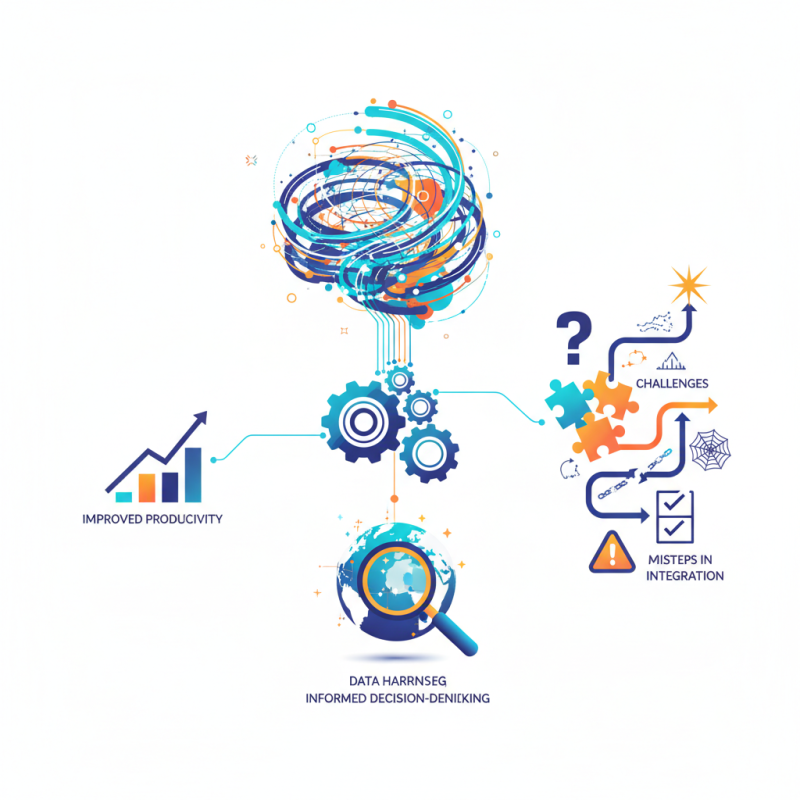
SHR technology integrates advanced systems to streamline operations. It focuses on harnessing data effectively, ensuring that businesses can make informed decisions quickly. This capability is vital for staying competitive. Many companies find that adopting SHR technology leads to improved productivity.
However, implementing this technology is not without its challenges. Organizations must carefully assess their needs and capabilities. While the potential benefits are significant, missteps in integration can lead to unforeseen complications. A thoughtful approach is essential to truly leverage what is SHR technology and its advantages.
Understanding SHR Technology: Definition and Overview
SHR technology, or Smart Human Resource technology, is redefining how businesses handle their workforce. At its core, SHR technology utilizes advanced data analytics and automation to streamline human resource functions. This includes recruitment, onboarding, performance management, and employee engagement. By leveraging these tools, companies can reduce operational costs and enhance employee satisfaction.
Implementing SHR technology allows businesses to collect and analyze data effectively. This data can reveal patterns in employee performance and highlight areas for improvement. However, the technology can feel daunting to many professionals. There may be resistance to change or fear of losing the human touch in HR practices. Companies must address these concerns to create a balanced approach that integrates technology with personal interaction.
The benefits of SHR technology can be substantial. For instance, automated recruitment can speed up the hiring process and help find the best candidates. Yet, businesses need to ensure that the technology is user-friendly and accessible. Regular training may be required to keep staff updated. Without it, the intended efficiencies may not materialize. A careful reflection on these challenges is essential for successful implementation.
Key Features of SHR Technology Relevant to Businesses
SHR technology offers several key features that can significantly enhance business operations. One notable aspect is its scalability. Companies can adapt the technology to their specific needs. This flexibility supports growth without requiring a complete system overhaul. As businesses evolve, SHR technology grows alongside them.
Data management is another essential feature. SHR technology enables efficient handling of large data sets. The ability to analyze real-time data can lead to informed decision-making. However, businesses might struggle with data integration initially. Transitioning from legacy systems can be challenging and may require dedicated resources.
User experience is critical. SHR technology emphasizes intuitive design, making it easier for employees to navigate. Improved user interfaces can enhance productivity. Yet, companies must invest time in training staff. Effective implementation is essential, as a lack of familiarity can hinder results. Overall, while SHR technology presents valuable benefits, careful consideration is necessary to optimize its impact.
SHR Technology Benefits for Businesses
This chart illustrates the key benefits of SHR technology for businesses. Enhanced efficiency, significant cost reduction, robust data security, improved customer satisfaction, and high scalability are critical features that can drive success in the evolving business landscape.
How SHR Technology Enhances Operational Efficiency
Operating a business efficiently is crucial for success. SHR technology can significantly enhance operational efficiency in various ways. By automating routine tasks, for example, companies can reduce errors and save time. Employees spend less time on mundane tasks, allowing them to focus on more strategic responsibilities.
Streamlined communication is another major benefit. SHR technology facilitates better data sharing between departments. This transparency helps teams collaborate more effectively. Faster decision-making processes lead to improved project outcomes. Moreover, real-time insights enable businesses to respond quickly to market changes.
However, implementing SHR technology is not without challenges. Companies may face resistance from employees accustomed to traditional methods. Training staff is essential but can be time-consuming. Organizations must foster a culture that embraces change. Balancing technology adoption with human factors is key to maximizing its benefits.
Benefits of Implementing SHR Technology for Your Business
SHR technology is revolutionizing how businesses operate today. By harnessing the power of data and streamlined processes, companies can achieve remarkable efficiencies. Imagine a warehouse efficiently managing inventory with real-time tracking. This kind of precise visibility reduces errors and enhances productivity.
Implementing SHR technology also fosters collaboration among teams. It breaks down silos, enabling departments to work together seamlessly. When information flows freely, decision-making becomes quicker and more informed. However, businesses must reflect on their current practices. Transitioning to this technology can be challenging, requiring time and resources. Some may struggle with employee training, fearing resistance to change.
Customer experience improves significantly with SHR technology. Personalized services can be delivered based on consumer behavior data. However, this raises concerns about data privacy. Businesses should tread carefully, ensuring compliance with regulations. Balancing innovation with ethical responsibility is crucial for sustainable growth.
Consider the benefits and challenges as you navigate this transformative landscape.
Real-World Applications of SHR Technology in Various Industries
SHR technology, or Super Heated Steam, has been increasingly applied across various industries. In the food processing sector, it has improved efficiency and product quality. A study from the Food and Drug Administration found that using SHR can reduce sterilization time by up to 30%. This effect not only speeds up production but also maintains food safety standards.
In the healthcare field, SHR technology has shown promise in HVAC systems, enhancing indoor air quality. According to the American Society of Heating, Refrigerating and Air-Conditioning Engineers, utilizing SHR can reduce airborne pathogens by over 50%. This is crucial for patient safety, but implementation requires careful planning and design adjustments that some facilities may struggle with.
The construction industry is also taking notice. Shrinking project timelines through steam curing of concrete has gained traction. Reports estimate that projects using SHR may complete 20% faster. While the benefits seem clear, challenges in training workers to adapt to this new method remain a concern. Organizations must weigh the initial learning curve against potential long-term gains.
What is SHR Technology and How Can It Benefit Your Business?
| Industry |
Application |
Benefits |
Impact |
| Healthcare |
Patient monitoring systems |
Improved patient care and real-time data |
Reduced hospital stays and costs |
| Manufacturing |
Predictive maintenance |
Minimized downtime and enhanced efficiency |
Increased production output |
| Retail |
Customer behavior analytics |
Personalized shopping experiences |
Increased sales and customer loyalty |
| Transportation |
Fleet management systems |
Optimized routes and reduced fuel consumption |
Lower operational costs |
| Finance |
Fraud detection algorithms |
Enhanced security and transaction accuracy |
Increased trust and reduced losses |
FAQS
: SHR technology improves human resource functions using data analytics and automation. It modernizes recruitment, onboarding, and performance management.
It automates routine tasks, reducing errors and saving time. Employees can focus on strategic responsibilities instead.
Some professionals fear losing personal touch in HR. Resistance to change can hinder implementation. Organizations need to address these fears.
Regular training keeps staff updated and familiar with the technology. Lack of training may prevent intended efficiencies from being realized.
Yes, it facilitates data sharing. This transparency helps teams collaborate effectively and make faster decisions.
Industries may struggle with integrating technology into existing processes. Worker training can be time-consuming and requires careful planning.
It improves efficiency and product quality, reducing sterilization time by up to 30% while maintaining safety standards.
It enhances indoor air quality by reducing airborne pathogens. Implementation may need careful planning and design adjustments.
Yes, it can shrink project timelines. Reports suggest projects may complete 20% faster, but training challenges remain.
They should reflect on balancing technology with human factors. Change management is key to maximizing SHR benefits.
Conclusion
SHR technology, or Smart High-Resolution technology, represents a significant advancement in operational processes across various industries. In understanding what is SHR technology, it becomes clear that it is designed to optimize data management and improve communication efficiency, which are crucial for modern businesses. Key features include enhanced data analytics capabilities, user-friendly interfaces, and robust integration with existing systems.
By implementing SHR technology, businesses can see a marked improvement in operational efficiency through streamlined workflows and increased data accuracy. The benefits extend beyond mere efficiency gains, as organizations report enhanced decision-making processes and significant cost reductions. Real-world applications of SHR technology demonstrate its versatility, finding use in sectors ranging from healthcare to manufacturing, thereby proving its potential to transform business operations fundamentally.
 Vasan Medicals