Vasan Medicals Vasan Medicals

2026 Top IPL Devices for Acne Does IPL Help Acne?

Time:2026-11-06 Author:Aria
0%

Acne is common, but its impact is not trivial: the American Academy of Dermatology (AAD) estimates that it affects up to 50 million people in the United States each year. That scale helps explain the appeal of light-based treatments and the search for answers to “does IPL help acne.” Intense pulsed light (IPL) delivers filtered flashes of light; it is not the same as the blue or red LED light used in some acne devices. The distinction matters when comparing products.

The evidence calls for careful reading. In its 2024 acne guidelines, the AAD found insufficient evidence to recommend several laser and light procedures as routine acne treatments. That does not prove IPL never helps; it means results, protocols, and study quality remain uneven. A device’s marketing claims are not a substitute for clinical guidance. Nor should a hair-removal IPL handset be assumed suitable for acne simply because it uses pulsed light. Different purpose. Different settings.

This guide reviews 2026 IPL devices and the evidence behind their acne claims, while separating established facts from promising but limited findings. We consider intended use, published support, safety instructions, and practical details, such as treating a small area consistently rather than chasing every new flash. Device names and specifications can change, so readers should verify current manufacturer guidance. A useful review should admit its limits, too: IPL may be discussed as an option, but it is not a guaranteed acne treatment or a replacement for advice from a qualified dermatologist.
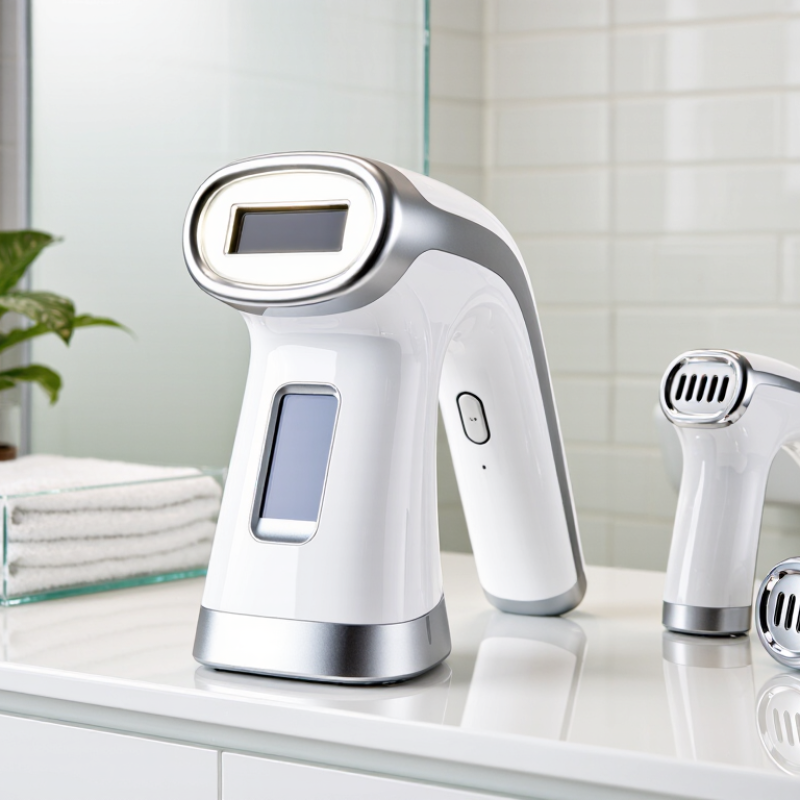
2026 Top IPL Devices for Acne Does IPL Help Acne?

What Is IPL and How Does It Work on Acne?

IPL, or intense pulsed light, delivers brief flashes of filtered, broad-spectrum light. Unlike a laser, it does not use one single wavelength. For acne, selected wavelengths may be absorbed by porphyrins produced by acne-associated bacteria, or by redness-related blood vessels. The absorbed energy can create heat and reactive oxygen molecules, potentially reducing bacterial activity and inflammation. The exact effect depends on the filter, settings, and skin.

It is not a simple “light kills acne” story. Some devices may also warm oil-producing glands, but how much this helps varies. A Cochrane review of light therapies for acne included 71 studies and 4,211 participants; overall, the evidence was low quality and results differed across treatments. The American Academy of Dermatology’s 2024 acne guideline likewise found insufficient evidence to recommend light-based devices routinely. That uncertainty matters.

In practice, IPL may be considered for selected cases, often alongside established acne care—not as a guaranteed replacement. A clinician should assess acne type, skin tone, medications, and light sensitivity before treatment. For example, a face with tender red bumps may respond differently from one with mostly clogged pores. And outcomes can be uneven. That part is easy to overlook.

Does IPL Help Acne? Benefits, Evidence, and Limitations

Intense pulsed light (IPL) may lessen inflammatory acne for some people, but it is not a dependable cure. Its flashes target pigment and small blood vessels, which may reduce redness and some active spots. They do not reliably clear clogged pores or control oil production. Results vary with acne type, skin tone, device settings, and treatment schedule. Results are not guaranteed.

Evidence remains uneven. A 2016 Cochrane review assessed 71 trials involving 4,211 participants and found low- or very-low-certainty evidence for many light-based acne treatments. The American Academy of Dermatology’s 2024 acne guidelines likewise found insufficient evidence to recommend laser and light procedures as standard treatment. IPL is better considered an add-on, not a replacement for proven acne care. It can also cause burns or lingering dark marks, especially when settings do not suit the skin. A qualified clinician should review skin sensitivity, medications, and eye protection before treatment. That conversation matters.

2026 Top IPL Devices for Acne: Does IPL Help Acne? Benefits, Evidence, and Limitations

A practical comparison of light-based options for acne. “Top” refers to treatment categories, not specific products or brands; device settings and regulatory indications vary.

Treatment category Light characteristics and target Potential role in acne Evidence and limitations Key safety considerations
Intense pulsed light (IPL) Broad-spectrum, non-laser light; filters and emitted wavelengths vary by device. Light may interact with melanin and blood vessels in the skin. May be considered by a qualified clinician as an adjunct for selected cases, including some inflammatory acne or associated redness. Evidence for acne improvement is limited and inconsistent. IPL is not an established first-line acne treatment, and results cannot be assumed from hair-removal specifications or marketing claims. Possible pain, redness, burns, blistering, and temporary or lasting pigment changes. Suitability depends on skin tone, tanning, medications, and device settings.
Blue-light phototherapy Visible blue light, commonly around 405–420 nm, can affect porphyrins produced by acne-associated bacteria. May provide modest short-term improvement in some inflammatory lesions; it does not address every cause of acne. Clinical studies show variable results. At-home and professional devices differ, and light therapy is generally less comprehensive than established medical treatments. Eye protection may be needed. Check for light sensitivity and photosensitizing medicines; irritation or dryness can occur.
Red-light phototherapy Visible red light, often in the approximate 630–660 nm range; proposed effects include modulation of inflammation. Sometimes used alone or alongside blue light to address inflammatory lesions. Evidence remains limited, and red light should not be presented as a proven substitute for standard acne care. Use eye protection as directed. Device output and treatment protocols vary; avoid use over irritated skin without professional advice.
Blue-and-red LED combination Combines visible blue and red wavelengths; this is LED phototherapy, not IPL. May be an adjunct for mild-to-moderate inflammatory acne for some people. Some studies report improvement, but study size, device parameters, and treatment schedules differ. Benefits are not guaranteed and may require ongoing treatment. Follow the device instructions and eye-safety guidance. Stop and seek advice if significant irritation, pain, or worsening occurs.
Established acne treatments Non-light options include topical retinoids, benzoyl peroxide, and other clinician-selected therapies. Often form the foundation of acne care; treatment is selected according to acne type, severity, skin, and medical history. These options have a more established role in clinical guidelines than IPL for acne. A clinician can tailor combinations and assess response over time. Some treatments cause dryness or irritation; certain medicines have important pregnancy or other safety restrictions. Obtain individualized medical advice.
Who should get professional advice before light treatment? People with darker or recently tanned skin, a history of pigment changes, photosensitivity, active skin infection, or medicines that increase light sensitivity. A dermatologist or qualified clinician can assess whether a light-based treatment is appropriate and distinguish acne from other skin conditions. Regulatory clearance for hair reduction or another indication does not establish that a device is cleared or proven to treat acne. Check the device’s specific authorized indication. Do not treat over the eyes or use IPL on the face unless the device is specifically intended for that use and its instructions permit it.

Bottom line: IPL may help some people with acne-related inflammation or redness, but the evidence is not strong enough to regard it as a dependable stand-alone acne treatment. Consult a dermatologist before using IPL for acne, especially if you have darker skin, take photosensitizing medication, or are considering treatment for severe or scarring acne.

How to Choose an At-Home IPL Device for Acne in 2026

Choosing an at-home IPL device for acne starts with checking its intended use. IPL is not a dependable first-line acne treatment, and many home units are designed for hair reduction, not breakouts. Look for clear instructions that specifically address acne, including which areas to treat and which to avoid. If acne use is not listed, do not assume the device will help. That matters. Compare the guidance with your skin tone, hair color, and treatment area; IPL may not be suitable for every combination.

Safety details deserve close attention. Choose a device with clear skin-tone guidance, a contact sensor, and instructions for eye protection. Read warnings about medications that increase light sensitivity, and ask a clinician if you are unsure. Test a small area and wait as directed before treating a larger one. Do not flash over irritated, broken, or inflamed skin unless the instructions explicitly allow it. Stop if you feel strong heat or see persistent redness. A cautious choice may feel less exciting, but burns or extra irritation can make acne harder to manage. Evidence for home IPL and acne is limited, so consider whether a dermatologist-recommended acne treatment may fit your needs better.

Comparing Key Features of Top IPL Devices for Acne

Acne care devices are not interchangeable: IPL delivers broad-spectrum pulses, while blue and red LED systems use narrower wavelengths. The American Academy of Dermatology estimates acne affects up to 50 million Americans each year. That burden is real, but it does not prove IPL works. The AAD’s 2024 clinical guideline found evidence insufficient to recommend light- and laser-based devices as acne treatments.

When comparing IPL devices, check the treatment filter, adjustable energy levels, pulse settings, and cooling. A skin-tone sensor can help, but it does not guarantee safe treatment for every complexion. Tiny details matter. Do not assume a hair-removal IPL setting treats acne; acne-specific evidence for home IPL remains limited. IPL may also cause burns or dark marks, particularly on darker skin or recently tanned skin. A dermatologist can assess risks, especially if you use light-sensitive medication.

Tips: Check the device instructions for approved skin tones and treatment areas. Test only as directed, and stop if you feel sharp pain or see persistent redness. Take a clear photo before treatment; small changes are hard to judge day to day.

2026 Top IPL Devices for Acne: Does IPL Help Acne?

Does IPL help acne? IPL may improve inflammatory acne for some people, but results vary and the evidence is mixed. This chart compares illustrative wavelength bands used in light-based treatments; it is not a device ranking or a guarantee of any device’s specifications. IPL output and filters differ by device. Ask a qualified clinician whether light treatment is appropriate for your skin and acne.

Safety, Skin Suitability, and Proper IPL Use for Acne

2026 Top IPL Devices for Acne: Safety, Skin Suitability, and Proper Use

Intense pulsed light (IPL) is not a proven stand-alone acne treatment. It may reduce some visible redness, but results vary, and it may not clear blackheads or prevent new breakouts. The American Academy of Dermatology’s 2024 acne guidelines found insufficient evidence to recommend light-based devices as routine acne care. The Global Burden of Disease study estimated acne affects about 9.4% of people worldwide, so it is understandable to seek alternatives. Still, a device’s marketing claims are not proof of clinical benefit. The evidence is not tidy.

Skin tone matters. IPL energy can be absorbed by melanin, raising the risk of burns or dark and light patches, especially on darker or recently tanned skin. A dermatologist can assess your skin, acne type, and medicines before treatment. Mention any photosensitizing medication, and never skip protective eyewear. At home, follow the device instructions exactly; do not flash over irritated, broken, or infected skin. Stop if you feel sharp pain or see blistering. Small details matter.

A practical plan may pair professional advice with established acne treatments, rather than replacing them with IPL. Keep a simple record of treatment dates, settings, and skin reactions. Even careful use can disappoint. That deserves honest follow-up.

FAQS

Can IPL help acne?

It may reduce redness and some inflamed spots for certain people. It is not a dependable cure. Results vary.

How does IPL affect acne?

Its flashes target pigment and small blood vessels. This may ease redness, but it does not reliably clear clogged pores or control oil.

Is there strong evidence that IPL works?

Evidence is limited. A review of 71 trials found low- or very-low-certainty evidence for many light treatments. That leaves real uncertainty.

Should IPL replace regular acne treatment?

No. It is better viewed as an add-on, not a replacement for established acne care. I would not expect miracles.

Are at-home IPL devices made for acne?

Many are intended for hair reduction, not breakouts. Check that the instructions specifically cover acne and explain which areas to avoid.

What safety features and precautions should I check?

Look for clear skin-tone guidance, a contact sensor, and eye-protection instructions. Review medication warnings, too. Ask a clinician if unsure.

How should I test a home device?

Test a small area, then wait as directed before treating more skin. Avoid irritated, broken, or inflamed areas unless the instructions specifically allow treatment.

What problems can IPL cause?

Burns and lingering dark marks can occur, especially with unsuitable settings. Stop if you feel strong heat or see persistent redness. That matters.

Conclusion

This guide explains what intense pulsed light (IPL) is and how its flashes of broad-spectrum light may target acne-related bacteria, redness, and inflammation. It explores the question “does IPL help acne” by summarizing potential benefits, the limits of available evidence, and why results can vary depending on acne type, skin tone, and treatment consistency. IPL may support clearer-looking skin for some people, but it is not a guaranteed cure or a substitute for professional care when acne is persistent or severe.

The guide also outlines how to assess at-home IPL devices in 2026, including adjustable intensity, skin-contact sensors, clear instructions, and suitable treatment modes. A feature comparison helps readers consider usability and safety rather than relying on bold claims. It covers skin suitability, patch testing, eye protection, spacing sessions correctly, and stopping use if irritation occurs. Readers are encouraged to check device guidance and seek advice from a qualified professional when unsure whether IPL is appropriate for their skin.

Aria

Aria

Aria is a dedicated marketing professional with a deep passion for innovative strategies and a keen understanding of our company's product offerings. With a wealth of experience in the industry, Aria excels at crafting engaging content that highlights the unique features and benefits of our......